Journal Description
Algorithms
Algorithms
is a peer-reviewed, open access journal which provides an advanced forum for studies related to algorithms and their applications, and is published monthly online by MDPI.
- Open Access — free for readers, with article processing charges (APC) paid by authors or their institutions.
- High Visibility: indexed within Scopus, ESCI (Web of Science), Ei Compendex, and other databases.
- Journal Rank: JCR - Q2 (Computer Science, Theory and Methods) / CiteScore - Q1 (Numerical Analysis)
- Rapid Publication: manuscripts are peer-reviewed and a first decision is provided to authors approximately 19.2 days after submission; acceptance to publication is undertaken in 3.7 days (median values for papers published in this journal in the second half of 2025).
- Testimonials: See what our editors and authors say about Algorithms.
- Recognition of Reviewers: reviewers who provide timely, thorough peer-review reports receive vouchers entitling them to a discount on the APC of their next publication in any MDPI journal, in appreciation of the work done.
- Journal Cluster of Artificial Intelligence: AI, AI in Medicine, Algorithms, BDCC, MAKE, MTI, Stats, Virtual Worlds and Computers.
Impact Factor:
2.1 (2024);
5-Year Impact Factor:
2.0 (2024)
Latest Articles
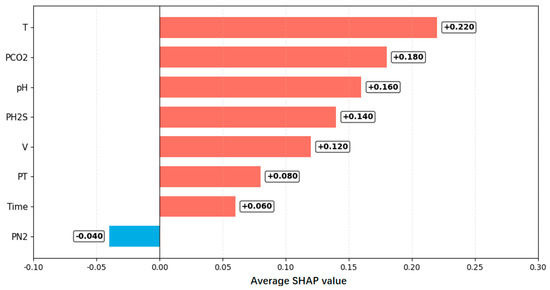
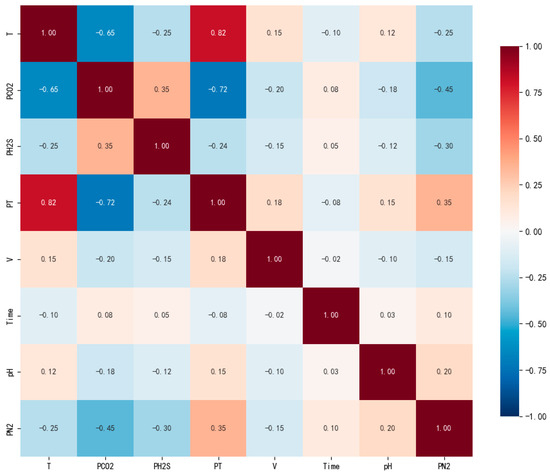
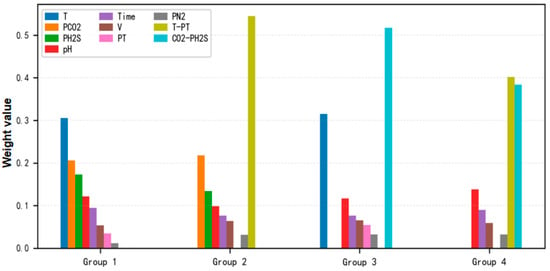
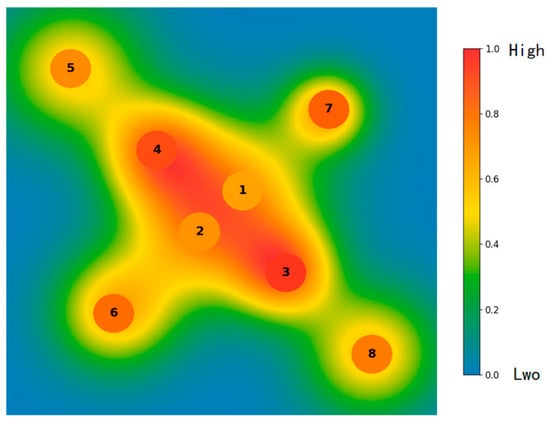
An Interpretable Prediction Method for Tubing Corrosion Based on CASA-XGBoost and SHAP-Sobol
Algorithms 2026, 19(6), 430; https://doi.org/10.3390/a19060430 (registering DOI) - 26 May 2026
Abstract
►
Show Figures
In predicting tubing corrosion rates under multi-factor coupling, traditional methods often struggle to effectively analyze the nonlinear interactions among variables such as temperature, pressure, CO2 partial pressure, and H2S partial pressure, and they also lack interpretability in the prediction process.
[...] Read more.
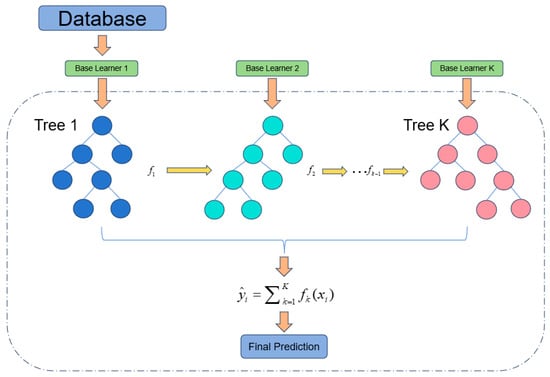
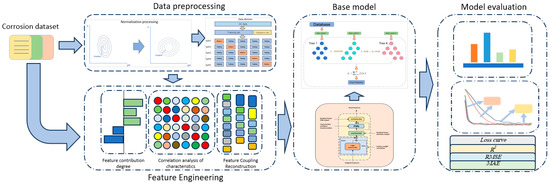
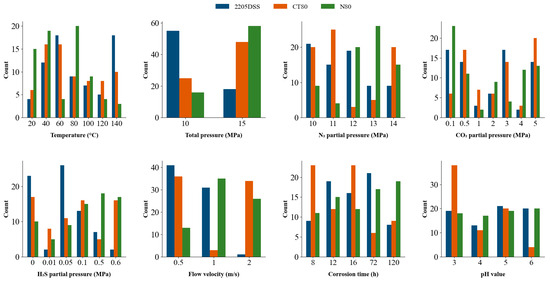
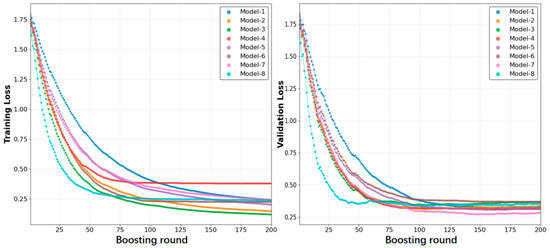
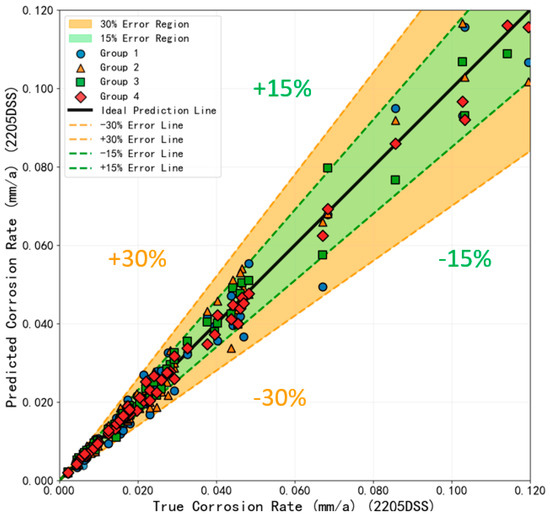
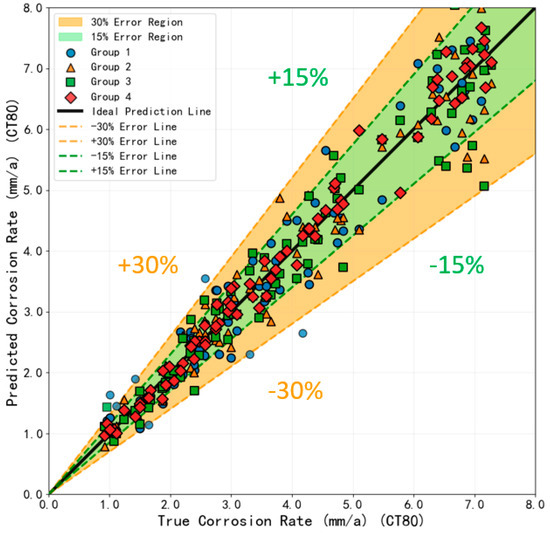
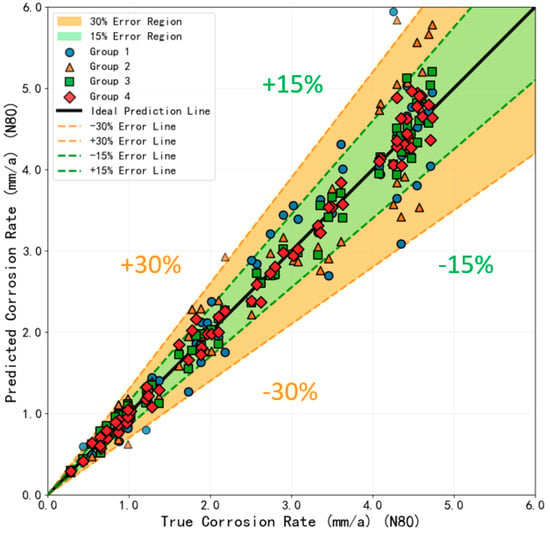
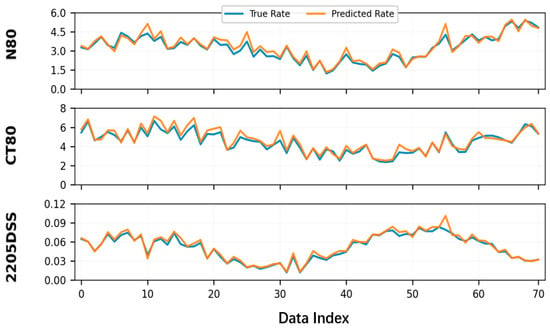
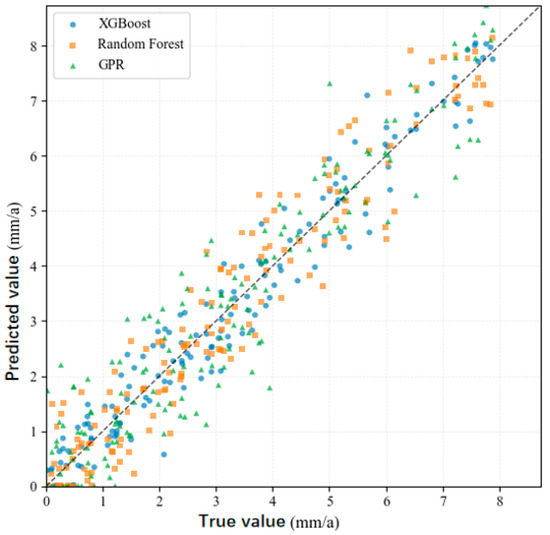
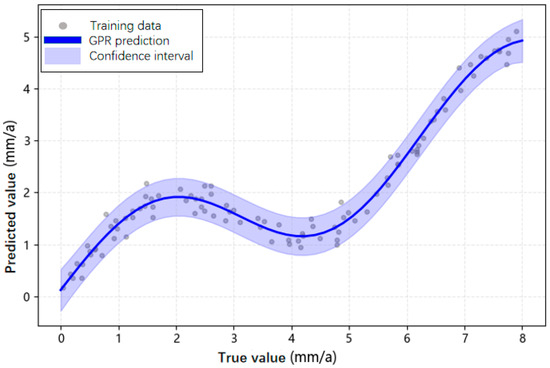
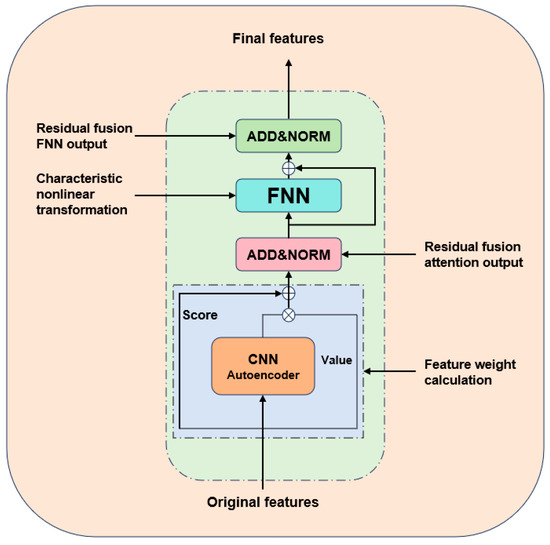
In predicting tubing corrosion rates under multi-factor coupling, traditional methods often struggle to effectively analyze the nonlinear interactions among variables such as temperature, pressure, CO2 partial pressure, and H2S partial pressure, and they also lack interpretability in the prediction process. To address this, this study first establishes a corrosion dataset covering three typical steels (2205DSS, CT80, N80) through high-temperature and high-pressure weight-loss experiments. A machine learning framework is then proposed, integrating feature coupling analysis with a SHAP-Sobol-based interpretability framework. By incorporating the Context-Aware Sparse Attention (CASA) mechanism into the XGBoost ensemble, a CASA-XGBoost prediction model is constructed to systematically analyze interactions among multiple features and convert them into effective predictive information. Bayesian optimization enables adaptive hyperparameter tuning, while five-fold cross-validation tailored to different materials enhances model generalization and stability. Furthermore, the SHAP-Sobol weighting method systematically evaluates feature contributions and interaction effects across global sensitivity analysis and local sample interpretation, enabling feature coupling reconstruction. Experimental results demonstrate that the proposed framework outperforms benchmark models (Random Forest and Gaussian Process Regression) on three steel corrosion datasets, achieving test set R2 values up to 0.98 with a low MAE and RMSE. The SHAP-Sobol-based interpretability framework also reveals material-specific sensitivities: 2205DSS is highly influenced by CO2-H2S interaction, CT80 by temperature–pressure coupling, and N80 shows reduced performance at high corrosion rates due to localized mechanisms. This study provides a reference for corrosion prevention and control by delivering high-accuracy and interpretable corrosion rate prediction for tubing under multi-factor coupling conditions, offering practical value for industrial modeling and decision-making.
Full article
Open AccessArticle
Imperfect Debugging SRGM with FDP–FCP
by
Xiangyi Qiu and Yinglei Song
Algorithms 2026, 19(6), 429; https://doi.org/10.3390/a19060429 - 26 May 2026
Abstract
►▼
Show Figures
Over the past few decades, extensive research has been conducted on software reliability growth models based on the non-homogeneous Poisson process. However, most existing studies rely on the premise of perfect debugging, failing to fully consider key factors such as potential error introduction,
[...] Read more.
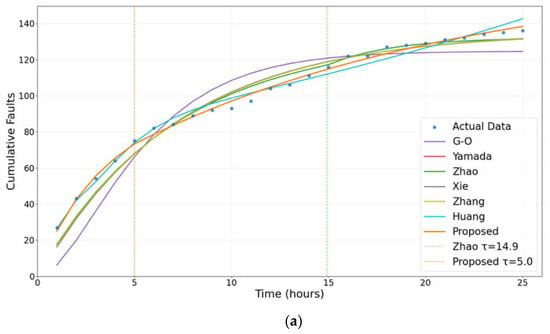
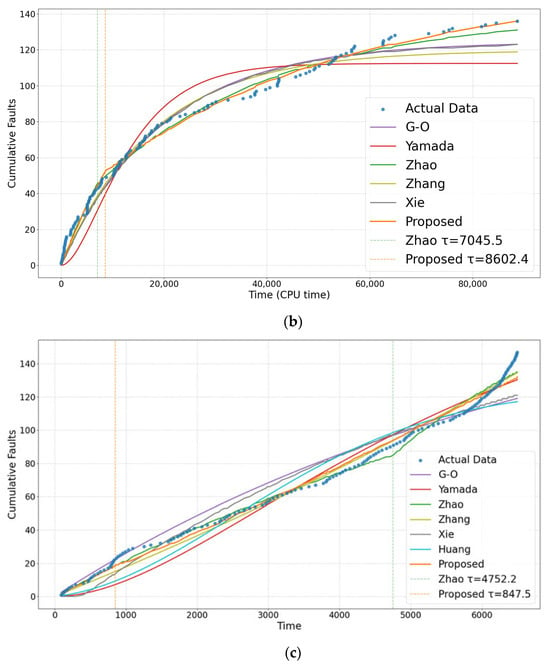
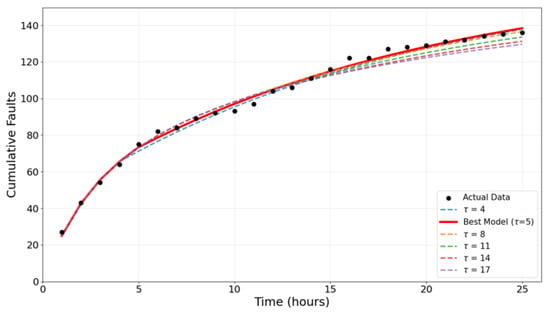
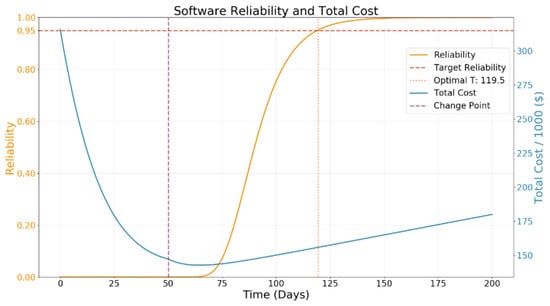
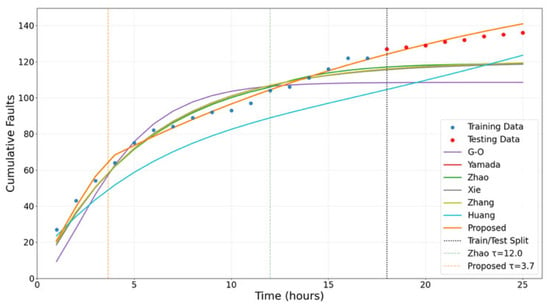
Over the past few decades, extensive research has been conducted on software reliability growth models based on the non-homogeneous Poisson process. However, most existing studies rely on the premise of perfect debugging, failing to fully consider key factors such as potential error introduction, the diversity of failure types, and dynamic changes in the testing environment. They also neglect the systematic analysis of the testing and repair processes. This disconnection between theoretical assumptions and practical application scenarios makes it difficult for these models to accurately depict the complex phenomena in real testing processes. To address these limitations, this study proposes an integrated NHPP-based SRGM combining an imperfect debugging mechanism, the fault detection process (FDP) and fault correction process (FCP), fault heterogeneity, and change-point analysis. The model introduces dynamic correction intensity linked to pending faults, classifies faults into simple (instantly corrected) and complex (queued for FCP), and models detection and correction rates as piecewise functions before and after change points, capturing realistic scheduling logic and synchronized effects of strategy, tools, and personnel changes. On this basis, a comprehensive and optimized software release strategy is further proposed. This strategy accounts for detection costs during testing, failure repair costs, and comprehensive costs from post-release failures. Its aim is to minimize full life cycle costs while meeting the reliability targets, thus providing software project managers with a scientifically grounded and practically reliable decision-making basis leveraging the integrated modeling innovations.
Full article

Figure 1
Open AccessArticle
Consistency Regularization and Semi-Supervised Blood Cell Detection Algorithm Based on YOLOv5-ALT
by
Lei Zhang, Mengyao Zhang, Yecai Guo, Meiyu Liang, Jiao Ding, Tianfei Zhang, Chunchun Wang and Dingxuan Sheng
Algorithms 2026, 19(6), 428; https://doi.org/10.3390/a19060428 - 26 May 2026
Abstract
►▼
Show Figures
Blood cell detection is an important fundamental step in assisting the diagnosis of hematological diseases. However, existing deep learning-based detection methods usually rely on large amounts of high-quality manually annotated data, while medical image annotation is costly, time-consuming, and requires professional expertise. To
[...] Read more.
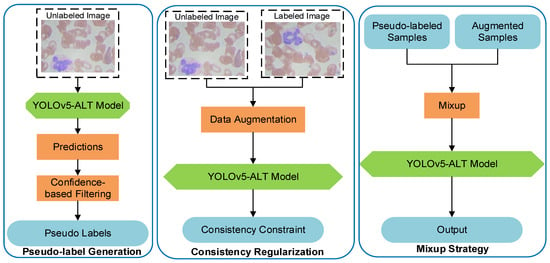
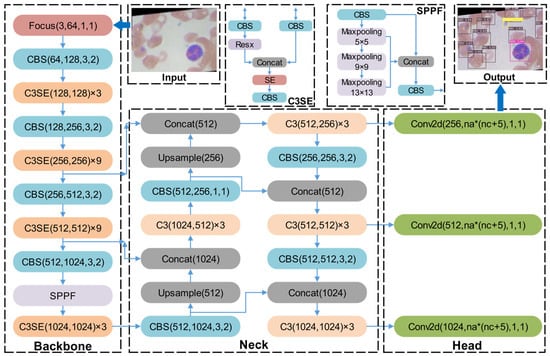
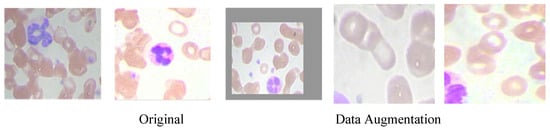
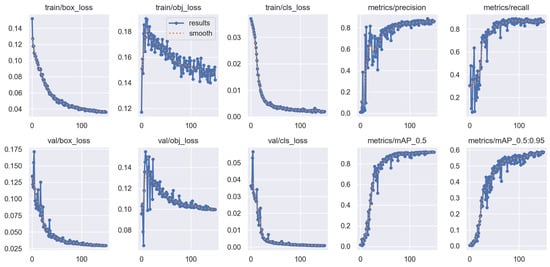
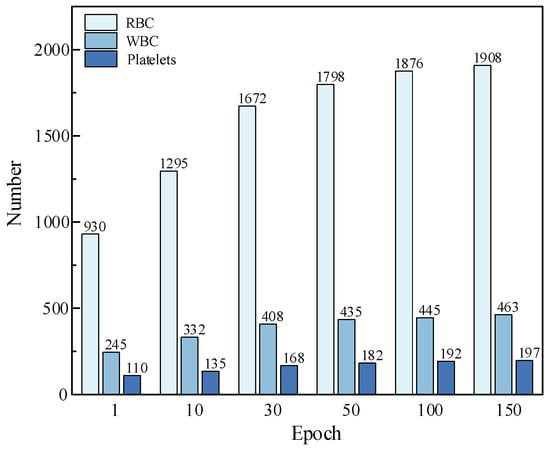
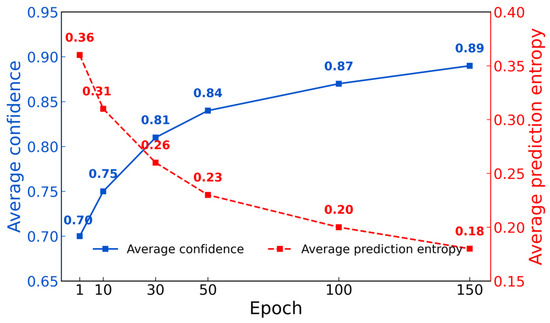
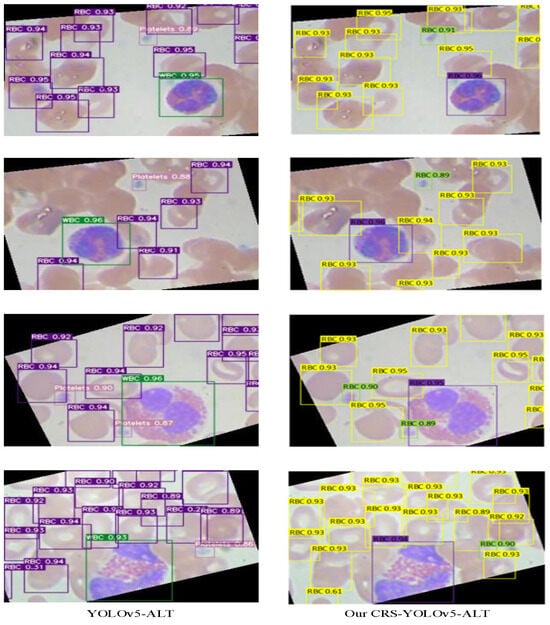
Blood cell detection is an important fundamental step in assisting the diagnosis of hematological diseases. However, existing deep learning-based detection methods usually rely on large amounts of high-quality manually annotated data, while medical image annotation is costly, time-consuming, and requires professional expertise. To address the above problems, a consistency regularization-based semi-supervised blood cell detection method, CRS-YOLOv5-ALT, is proposed, which is built upon the YOLOv5-ALT framework. Specifically, an initial detection model is first trained using a small number of labeled samples. Then, the current model is used to predict unlabeled samples, and candidate detection results are filtered through a dual-threshold pseudo-label filtering strategy by combining confidence and prediction entropy thresholds to generate relatively reliable pseudo-labels. On this basis, a consistency regularization strategy is introduced, in which consistency constraints between original unlabeled images and perturbed augmented images are constructed to guide the model to maintain stable prediction results under input perturbations. Meanwhile, a Mixup data augmentation strategy suitable for object detection tasks is introduced to enrich the training sample distribution and further improve the generalization capability of the model. The experimental results on the BCCD dataset show that, when only 5% labeled data are used, CRS-YOLOv5-ALT achieves an mAP of 59.73 ± 0.16%, an mAP50 of 91.97 ± 0.13%, and an mAP75 of 65.82 ± 0.19%, outperforming representative semi-supervised methods such as STAC, Instant Teacher, and CSD. Additional analyses of repeated runs, pseudo-label evolution, filtering acceptance rate, confidence- and entropy-based pseudo-label reliability indicators, training convergence, and ablation experiments provide further quantitative support for the proposed method. In addition, the single-run evaluation on the TXL-PBC dataset provides supplementary evidence for the cross-dataset applicability of CRS-YOLOv5-ALT under the current experimental setting. Overall, CRS-YOLOv5-ALT can effectively utilize unlabeled data under low-annotation conditions and provides a feasible semi-supervised learning strategy for reducing the annotation cost of blood cell images.
Full article

Figure 1
Open AccessArticle
MediVault: An Auditable and Secure Federated Learning System for Privacy-Preserving Healthcare Collaboration
by
Jie Li, Usman Adeel and Muhammad Safwan Akram
Algorithms 2026, 19(6), 427; https://doi.org/10.3390/a19060427 - 25 May 2026
Abstract
Healthcare analytics is often limited by data silos and strict privacy requirements, which make it difficult to share patient-level records across organisations and to build robust predictive models. Federated learning (FL) provides an alternative by keeping data local and exchanging model updates instead
[...] Read more.
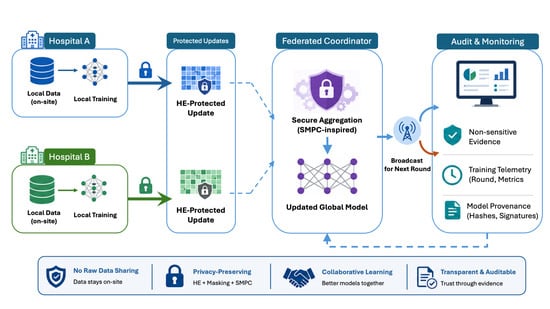
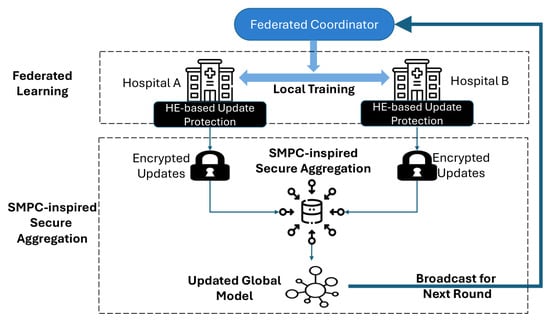
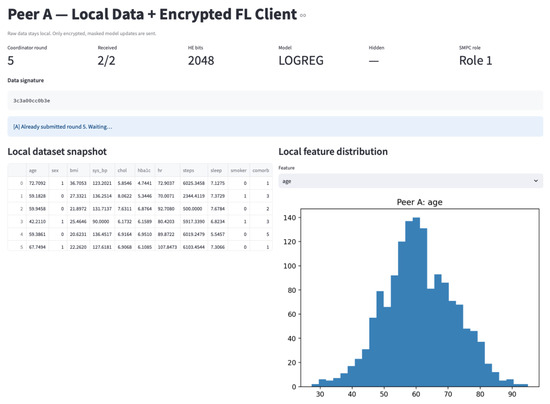
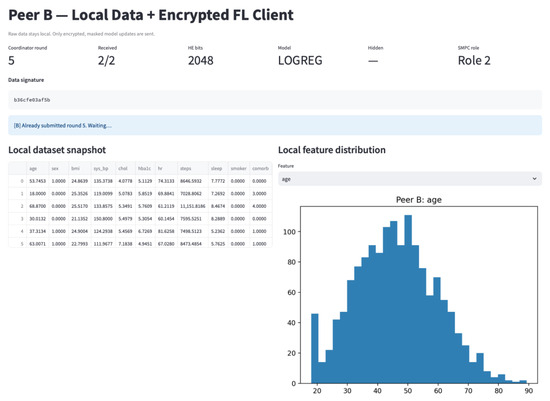
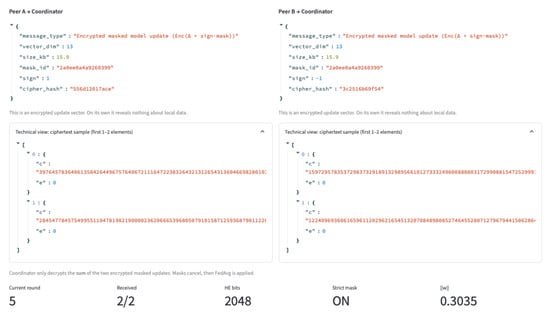
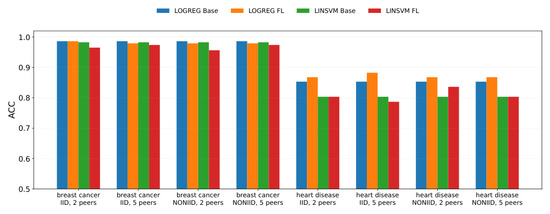
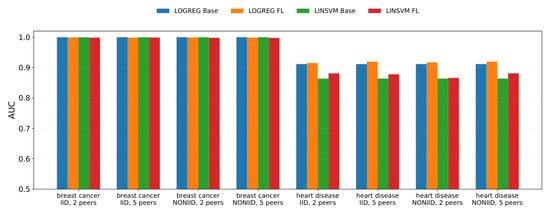
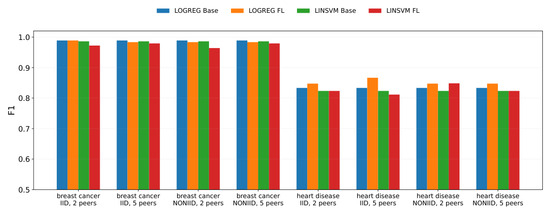
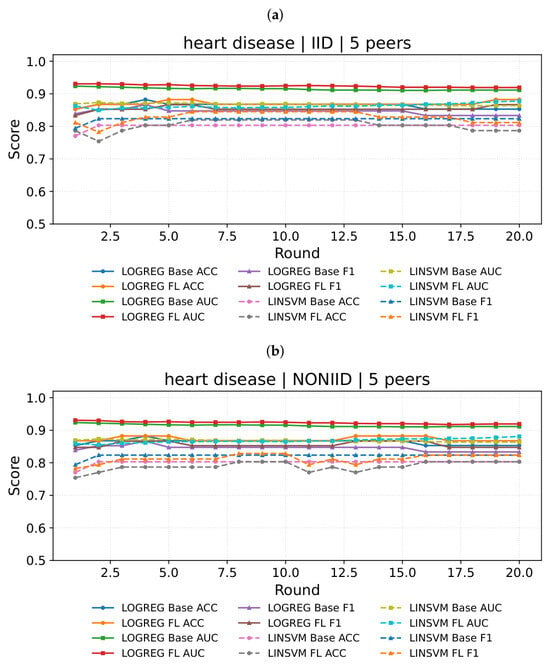
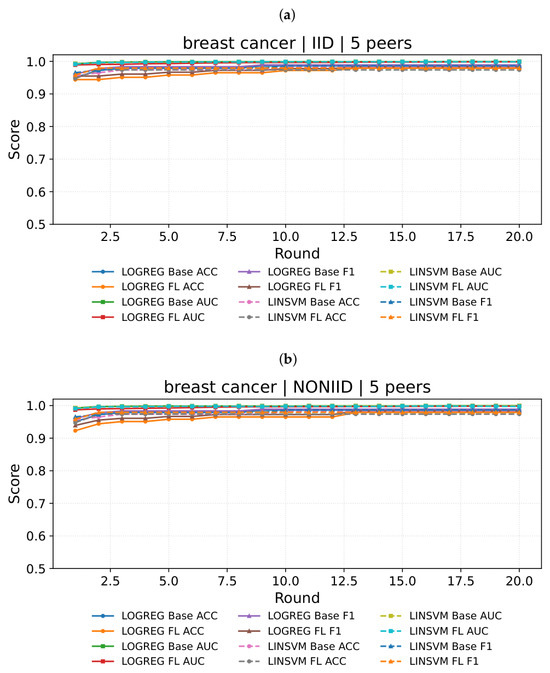
Healthcare analytics is often limited by data silos and strict privacy requirements, which make it difficult to share patient-level records across organisations and to build robust predictive models. Federated learning (FL) provides an alternative by keeping data local and exchanging model updates instead of raw records. However, many existing FL solutions remain difficult to deploy in healthcare settings, as they provide limited support for auditability, governance-oriented evidence, and system-level transparency. This paper presents MediVault, an auditable and security-aware federated learning-based system for privacy-preserving healthcare collaboration. MediVault combines round-based federated training, prototype-level protected update exchange, audit-ready telemetry, and an interactive dashboard that exposes non-sensitive evidence of collaboration, model progress, and protocol execution. In addition, the system supports controlled reporting to improve stakeholder communication during pilot deployments. We evaluate MediVault on two public healthcare classification datasets, Breast Cancer Wisconsin (Diagnostic) and Heart Disease, under IID and label-skewed Non-IID settings. Experiments are conducted using logistic regression, linear SVM, and an additional lightweight MLP under matched settings. The observed results suggest that federated training remains competitive with centralised training under the evaluated settings. A prototype-level overhead analysis further shows that protected update exchange introduces measurable computational and communication costs, especially for larger update vectors. These findings indicate that MediVault can support initial system-level validation of auditable, privacy-preserving healthcare FL workflows, while further work is needed for larger-scale deployment, stronger adversarial evaluation, and real-world clinical validation.
Full article
(This article belongs to the Special Issue Artificial Intelligence in Modern Cybersecurity: Changes, Applications and Challenges)
►▼
Show Figures

Graphical abstract
Open AccessArticle
A Clustering Approach for Rare Variant Classification by Effect Direction and Magnitude
by
Xianbang Sun, Xue Liu, Yumeng Cao and Chunyu Liu
Algorithms 2026, 19(6), 426; https://doi.org/10.3390/a19060426 - 24 May 2026
Abstract
Several gene-based tests, such as the sequence kernel association test, have been developed to assess associations between rare single nucleotide variants (SNVs) and disease traits. However, these aggregate methods do not distinguish potentially causal variants from null variants within associated regions. To address
[...] Read more.
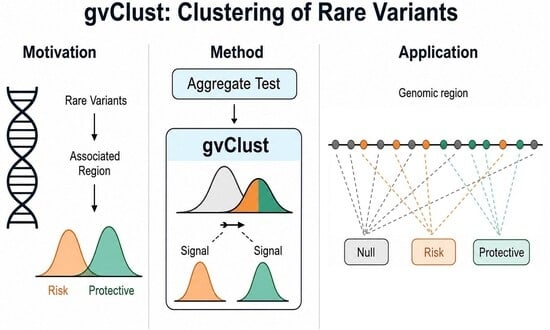
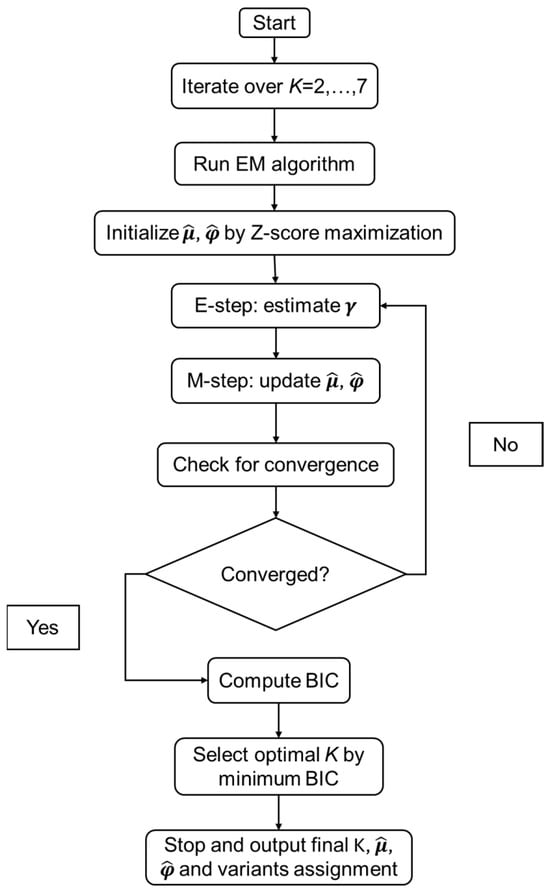
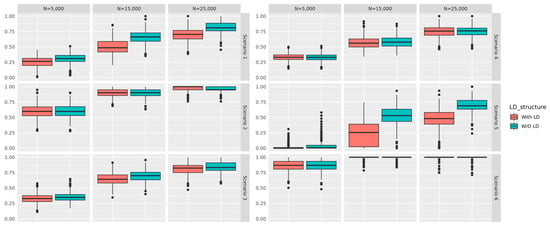
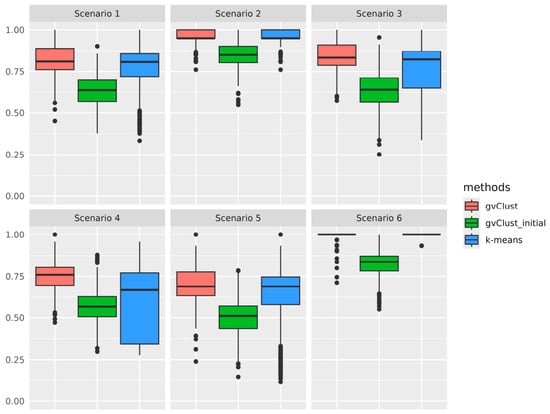
Several gene-based tests, such as the sequence kernel association test, have been developed to assess associations between rare single nucleotide variants (SNVs) and disease traits. However, these aggregate methods do not distinguish potentially causal variants from null variants within associated regions. To address this limitation, we propose gvClust, a clustering approach that classifies rare variants into null and signal groups using a Gaussian mixture model applied to variant-level summary statistics from multiple-variant models. Signal variants are further partitioned into risk and protective subgroups according to their effect direction and magnitude. We evaluated gvClust in simulation studies using the adjusted Rand index (ARI), mean squared error (MSE), and accuracy of cluster number selection under different sample sizes, effect configurations, outcome types, and linkage disequilibrium (LD) structures. In simulations, gvClust showed improved performance with increasing sample size, achieved high accuracy in determining the number of clusters for continuous traits at large sample sizes, and outperformed both k-means clustering and initialization-only clustering. We then applied gvClust to rare variants in six genes associated with blood pressure traits from a large genome-wide association study and meta-analysis. In the real-data application, gvClust identified distinct null, risk, and protective clusters. These results suggest that gvClust provides a practical framework for classifying rare variants within associated regions and may help improve the biological interpretation of rare variant signals.
Full article
(This article belongs to the Section Databases and Data Structures)
►▼
Show Figures

Graphical abstract
Open AccessArticle
An INSGA-II Algorithm for Multi-Objective Green Flexible Manufacturing Job Shop Scheduling Problem
by
Tingxi Wen, Hanxiao Jiang, Xinwen Chen, Yuqing Fu and Minyu Zheng
Algorithms 2026, 19(6), 425; https://doi.org/10.3390/a19060425 - 24 May 2026
Abstract
►▼
Show Figures
To achieve an optimal trade-off between production efficiency and energy benefits in complex manufacturing environments, this paper addresses the Green Flexible Job Shop Scheduling Problem (GFJSP) by establishing a multi-objective mathematical model that minimizes both makespan and total energy consumption. An Improved Non-dominated
[...] Read more.
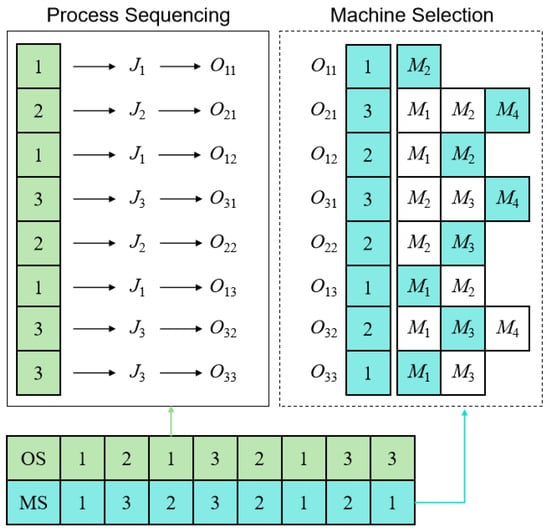
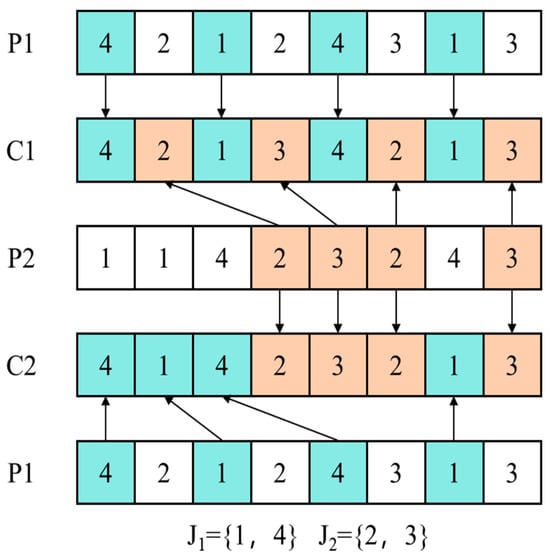
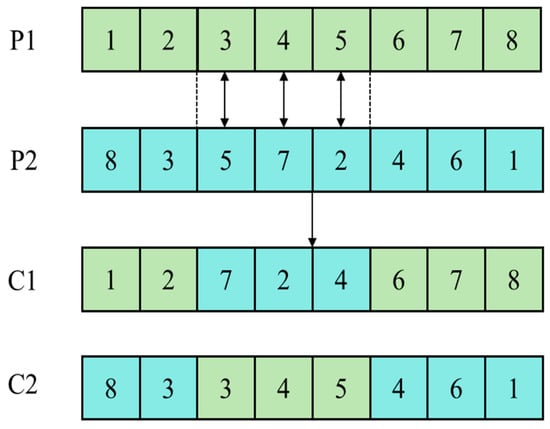
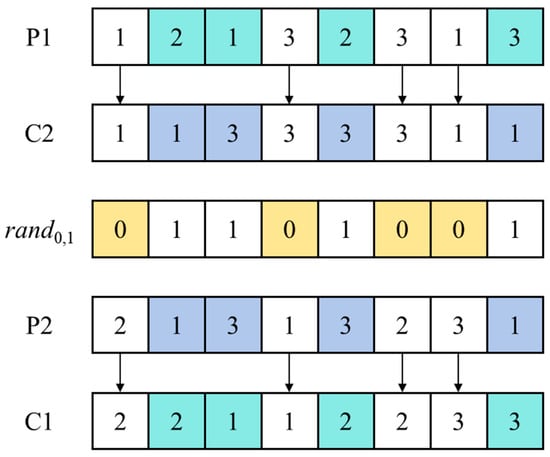
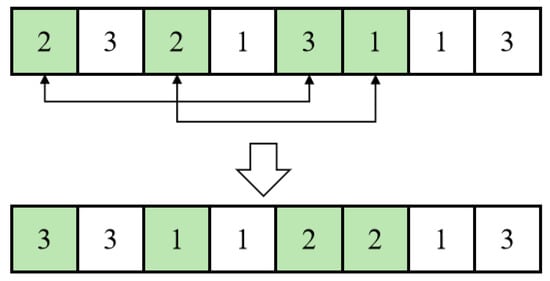
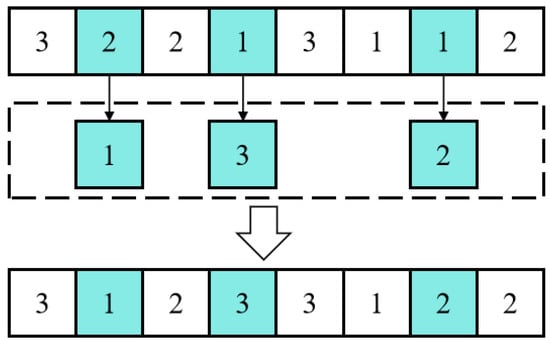
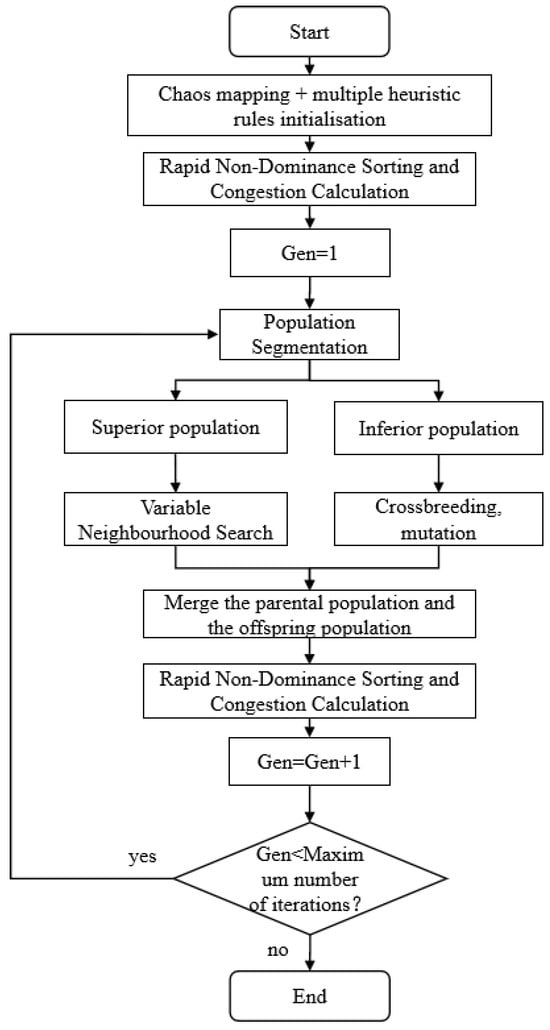
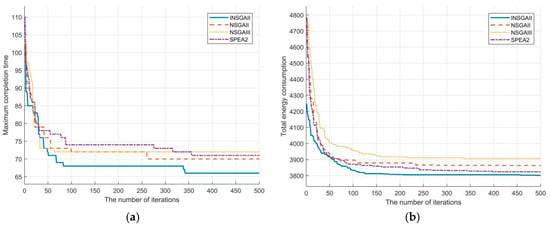
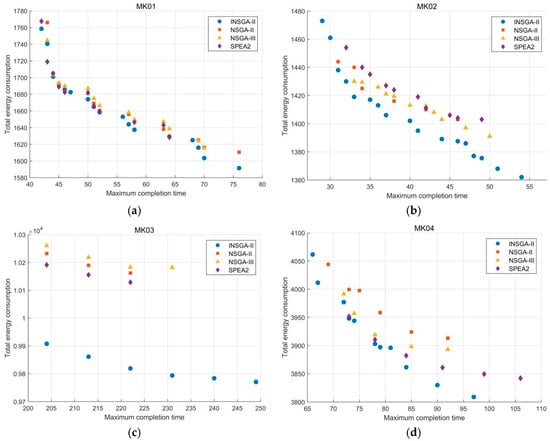
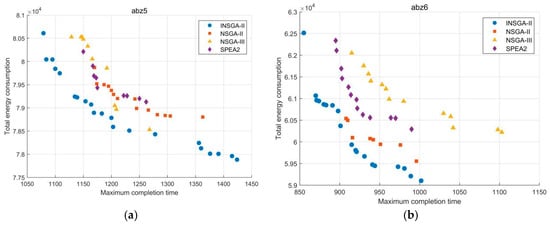
To achieve an optimal trade-off between production efficiency and energy benefits in complex manufacturing environments, this paper addresses the Green Flexible Job Shop Scheduling Problem (GFJSP) by establishing a multi-objective mathematical model that minimizes both makespan and total energy consumption. An Improved Non-dominated Sorting Genetic Algorithm II (INSGA-II) is proposed to solve this model. In the population initialization phase, chaotic mapping is integrated with multiple heuristic rules to generate a high-quality and uniformly distributed initial population. Furthermore, an enhanced elite selection mechanism is employed to effectively prevent premature convergence. Subsequently, adaptive crossover and mutation operators are designed to enable differentiated evolution across sub-populations, effectively coordinating global exploration and local exploitation. Finally, experimental results on the Brandimarte and Hurink benchmark datasets demonstrate the superiority of the proposed algorithm in terms of convergence and diversity, providing a robust solution for optimizing green industrial production scheduling.
Full article

Figure 1
Open AccessArticle
APA3CID: An Intrusion Detection Algorithm Based on Feature Optimization and Asynchronous Actor-Critic Learning
by
Jiantao Cui, Huicong Yu, Jiahe Liu, Ruipeng Li, Wanwei Huang, Haiyan Sun and Sunan Wang
Algorithms 2026, 19(6), 424; https://doi.org/10.3390/a19060424 - 23 May 2026
Abstract
As the Industrial Internet of Things becomes increasingly interconnected with critical infrastructure, intrusion traffic exhibits characteristics such as high-dimensional redundancy, class imbalance, and temporal correlation, posing challenges for detection systems in terms of feature representation, model complexity control, and real-time performance. To address
[...] Read more.
As the Industrial Internet of Things becomes increasingly interconnected with critical infrastructure, intrusion traffic exhibits characteristics such as high-dimensional redundancy, class imbalance, and temporal correlation, posing challenges for detection systems in terms of feature representation, model complexity control, and real-time performance. To address the aforementioned issues, this paper proposes an intrusion detection algorithm based on feature optimization and asynchronous advantage actor-critic learning (APA3CID). First, the raw dataset was preprocessed using methods such as label encoding and normalization. Feature selection was performed using the improved Whale Optimization Algorithm (WOA) to reduce data redundancy and eliminate irrelevant features. The samples were then serialized based on the order in which they were collected. Second, we model the detection process as a Markov decision process, use a sliding window to construct states that capture recent temporal features, and, building upon the Asynchronous Advantage Actor-Critic (A3C) framework, we incorporate an adaptive exploration mechanism to address the issues of insufficient exploration in the early training phase and unstable convergence in the later phase. Additionally, we introduce an asynchronous lag correction strategy that utilizes truncated importance weights to mitigate the bias caused by policy lag in asynchronous parallel training, thereby enhancing the stability and robustness of policy updates. Finally, experimental results show that on the X-IIoTID dataset, APA3CID achieves a 3.51% increase in detection rate and a 4.26% increase in F1-score compared to the traditional A3C algorithm. On the WUSTL-IIoT-2021 dataset, single-sample prediction takes as little as 11.56 microseconds, with Acc, DR, and F1-score all exceeding 90%. This outperforms comparison models such as LR, XGBoost, CNN, and the baseline A3C, meeting the requirements of industrial IoT scenarios for low false-negative rates and high real-time performance.
Full article
Open AccessArticle
Block-Wise State Encoding for Action-Masked Reinforcement Learning in Flexible Job-Shop Scheduling
by
Kostiantyn Hrishchenko and Oleksii Pysarchuk
Algorithms 2026, 19(6), 423; https://doi.org/10.3390/a19060423 - 23 May 2026
Abstract
This paper addresses the flexible job-shop scheduling problem (FJSP) as a constrained combinatorial optimization task with a large discrete action space. Although action-masked reinforcement learning has shown promise for such problems, the effect of structured vector-state encoding in scheduling has received less attention.
[...] Read more.
This paper addresses the flexible job-shop scheduling problem (FJSP) as a constrained combinatorial optimization task with a large discrete action space. Although action-masked reinforcement learning has shown promise for such problems, the effect of structured vector-state encoding in scheduling has received less attention. The main contribution of this work is a structured block-wise state representation and a multi-branch feature extraction module for action-masked Proximal Policy Optimization (PPO). The proposed representation decomposes the scheduling state into three heterogeneous components capturing resource availability, operation readiness, and temporal attributes of operation–machine alternatives. Instead of flattening these signals into a single vector, the proposed encoder processes each block separately before aggregation, with the aim of preserving semantic structure during policy learning. To isolate the effect of representation design, we compare the proposed multi-branch encoder with a baseline single-branch multilayer perceptron under identical PPO hyperparameters and training conditions. Experiments on the Brandimarte MK benchmark suite show that the proposed architecture yields a lower best-achieved makespan on nine of ten instances and improves the best baseline result by up to 27.84%. Additional validation on selected Behnke and Geiger instances indicates that the BR encoder’s advantage extends to larger FJSP cases while preserving sub-second inference.
Full article
(This article belongs to the Special Issue Machine Learning for Planning and Logistics)
Open AccessArticle
An Improved YOLOv11 for Tiny Surface Defect Detection on Electrical Commutators
by
Jichen Yuan, Zepeng Su and Zhulin Liu
Algorithms 2026, 19(5), 422; https://doi.org/10.3390/a19050422 - 21 May 2026
Abstract
Aiming at the challenges of class imbalance, tiny defect scales, and complex brushed background interference in the surface defect detection of electrical commutators, this paper proposes a high-precision and lightweight improved instance segmentation algorithm named WG-YOLOv11. Firstly, to overcome the barrier of highly
[...] Read more.
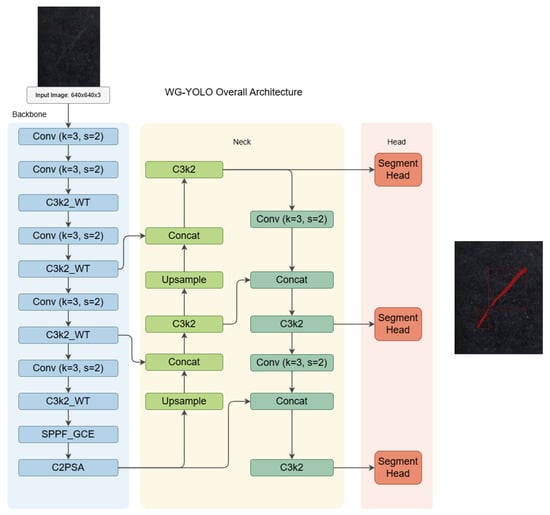
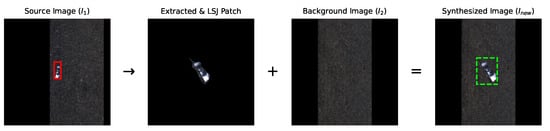
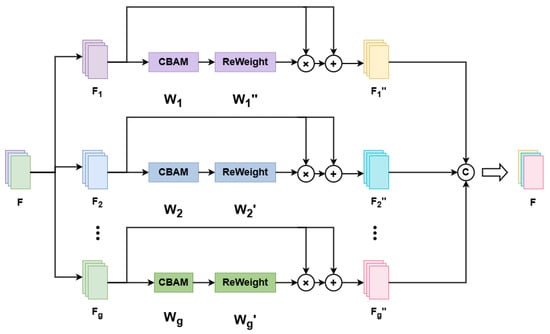
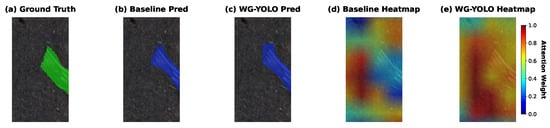
Aiming at the challenges of class imbalance, tiny defect scales, and complex brushed background interference in the surface defect detection of electrical commutators, this paper proposes a high-precision and lightweight improved instance segmentation algorithm named WG-YOLOv11. Firstly, to overcome the barrier of highly imbalanced positive and negative samples in actual industrial data collection, a Balanced Defect Synthesis (BDS) data augmentation strategy is introduced to effectively enrich the morphological diversity of tiny defects. Secondly, a Wavelet Transform Convolution (WTConv) module is collaboratively integrated into the feature extraction network to expand the receptive field while preserving the high-frequency edge details of hairline cracks. Thirdly, a Group CBAM Enhancer (GCE) module is introduced to filter out high-reflection and brushed background noise through grouped attention and weight re-calibration mechanisms. Finally, addressing the difficulty of pixel-level alignment for tiny defects, an -IoU loss function is utilized to improve the high-precision segmentation and localization capabilities by dynamically adjusting the gradient distribution. Comprehensive evaluations are conducted on two real-world electrical commutator surface defect datasets: KolektorSDD2 and KolektorSDD. Experimental results show that on the KolektorSDD2 dataset, compared to the YOLOv11 baseline, the Mask mAP@50 of WG-YOLOv11 increases from 85.2% to 89.2%, and the stringent metric Mask mAP@50:95 improves from 52.7% to 56.9%. Additional computational analysis on the same dataset validates that the proposed method maintains high efficiency, matching the baseline computational cost without compromising real-time inference speed. Furthermore, evaluations on the public MSD dataset confirm the model’s cross-domain generalization capabilities. The proposed framework effectively achieves a balance between detection accuracy, anti-interference robustness, and a lightweight architecture.
Full article
(This article belongs to the Collection Feature Papers on Artificial Intelligence Algorithms and Their Applications)
►▼
Show Figures

Figure 1
Open AccessArticle
Simulation of a Four-Stroke Diesel Engine for Propulsion in Wave
by
Zhe Chen, Fan Shi, Jiawang Li and Guangnian Li
Algorithms 2026, 19(5), 421; https://doi.org/10.3390/a19050421 - 21 May 2026
Abstract
►▼
Show Figures
With the development of shipping to harsh marine environment, it is very important to understand the transient behavior of a marine diesel engine in high sea conditions. Wave-induced hull motion will lead to severe load fluctuations and air-fuel ratio imbalance. In this study,
[...] Read more.
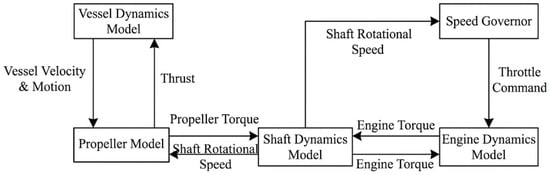
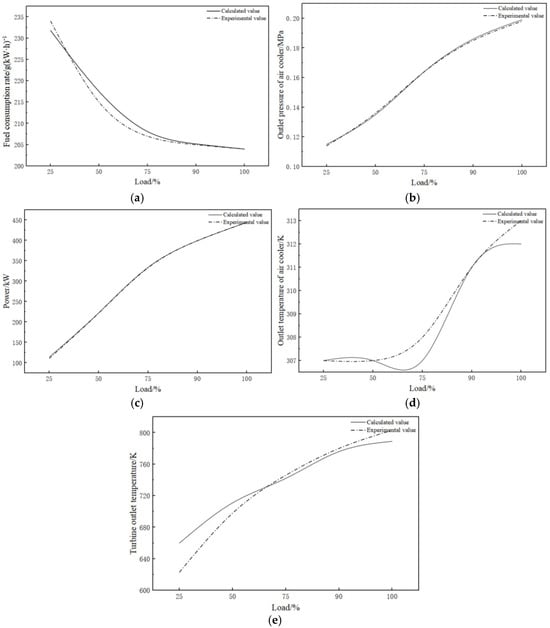
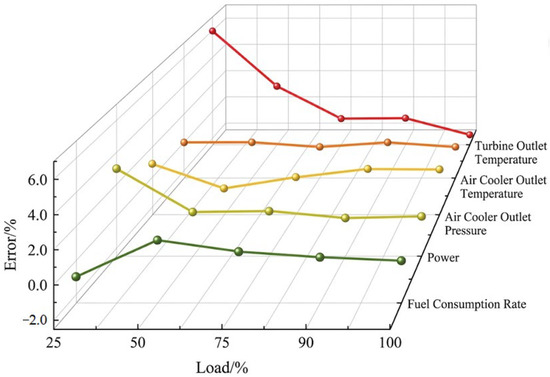
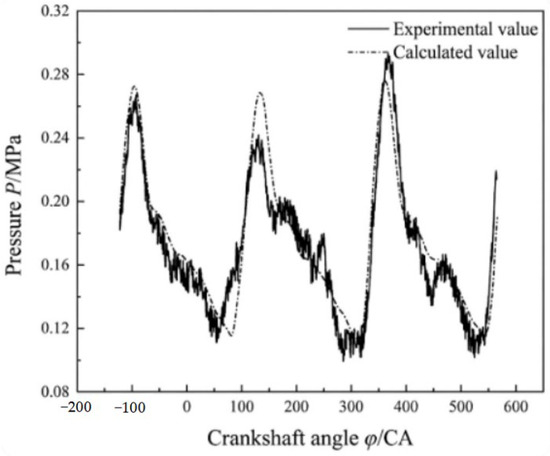
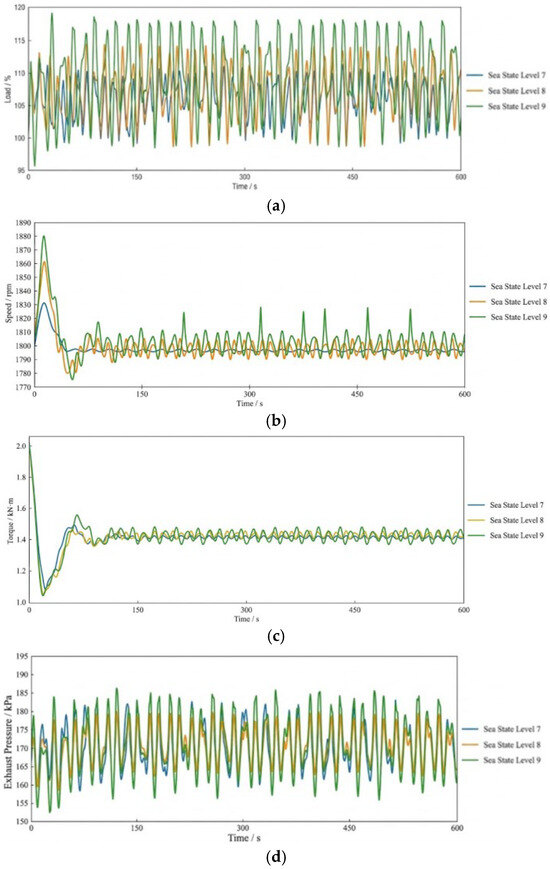
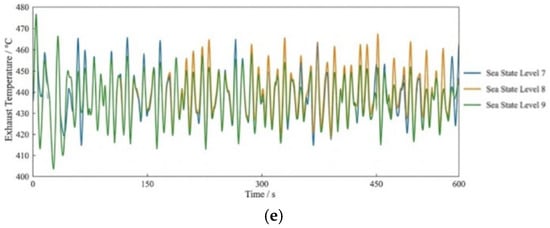
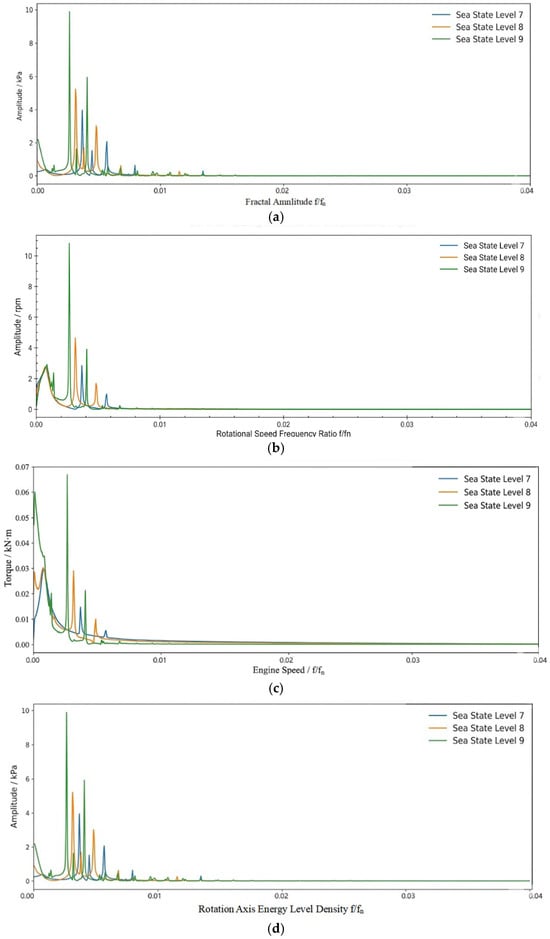
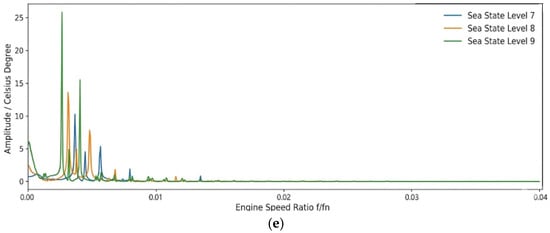
With the development of shipping to harsh marine environment, it is very important to understand the transient behavior of a marine diesel engine in high sea conditions. Wave-induced hull motion will lead to severe load fluctuations and air-fuel ratio imbalance. In this study, an integrated simulation platform coupled with environmental loads, hull dynamics, propeller characteristics and a high-fidelity thermodynamic engine model was constructed to explore the response characteristics of the propulsion system. The model integrates a zero-dimensional multi-zone combustion method, turbocharger dynamic characteristics and an incremental PID governor, and has been verified based on the bench test data of TBD234V12 diesel engine and the 20 m Wigley standard ship. The simulation results under the sea conditions from level 7 to 9 show that the transient load has a nonlinear amplification effect. Specifically, from sea state 7 to sea state 9, the engine load fluctuation range expands by 2.0 times, while the main peak amplitude of speed fluctuation increases by 3.7 times. Furthermore, the peak exhaust pressure rises by 1.8 times, and the exhaust temperature fluctuation amplitude broadens by 35%. Frequency domain analysis further identified the low-frequency energy concentration phenomenon in the exhaust pressure spectrum and the precursor characteristics of compressor surge. The research results quantify the deterioration law of thermodynamic stability and mechanical stress under wave disturbance, and provide an important reference for the formulation of an engine robust control strategy and fatigue life assessment under high sea conditions.
Full article

Figure 1
Open AccessArticle
When Learned Action Rules Matter: A Matched-Seed Ablation in an Agent-Based Spatial Ecology
by
Vladimir Ternovski
Algorithms 2026, 19(5), 420; https://doi.org/10.3390/a19050420 (registering DOI) - 21 May 2026
Abstract
Whether learned cognition can affect evolutionary outcomes remains a long-standing question. This study addresses a narrower mechanism: whether a model-based planner benefits from learned rules that explicitly condition on the action just taken. The testbed is a spatial artificial ecology with plants, shelters,
[...] Read more.
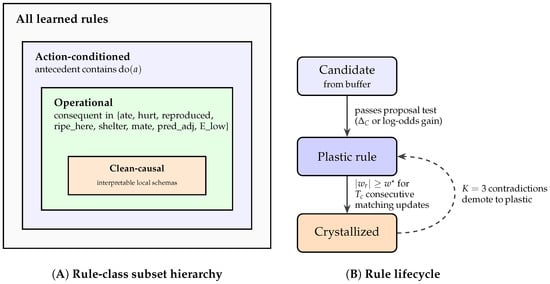
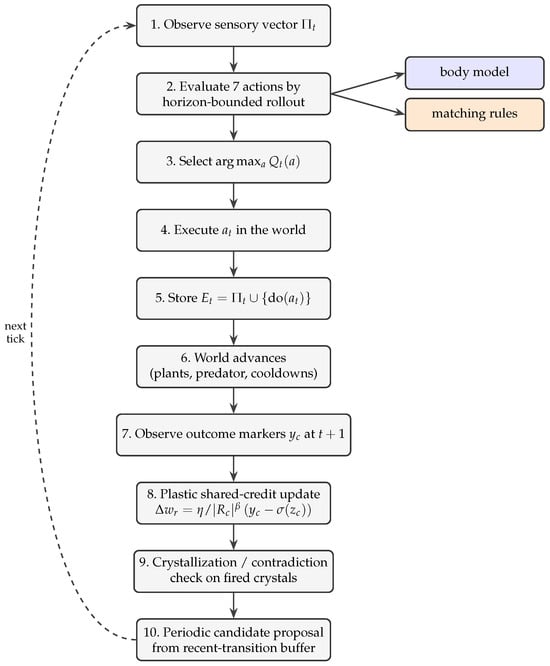
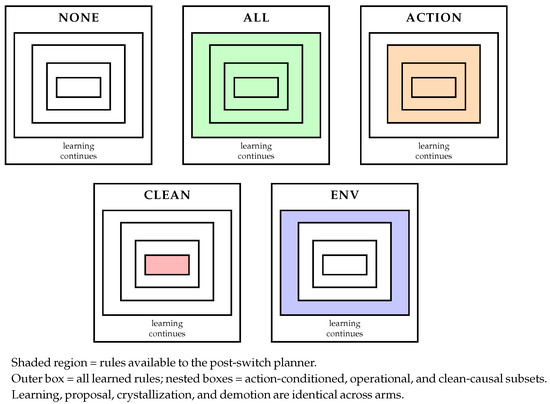
Whether learned cognition can affect evolutionary outcomes remains a long-standing question. This study addresses a narrower mechanism: whether a model-based planner benefits from learned rules that explicitly condition on the action just taken. The testbed is a spatial artificial ecology with plants, shelters, a predator, reproduction, and a day/night cycle. Five rule-use arms are evaluated on matched simulation seeds. At age 200, agents switch to a weaker learned-lite planner that relies more strongly on learned rule predictions. The pre-specified hypothesis is that access to filtered action-conditioned rules improves outcomes relative to an otherwise identical no-rule-policy baseline, in which rules are still induced and stored but are not used for action selection. In thirty paired replicates under the default reproductive gates, the action-conditioned arm outperforms the no-rule baseline on all four pre-specified primary endpoints. The strongest effect is behavioural: the action arm produces 91.4 additional successful post-switch eating events per run ( , 93.3% paired win rate, ). It also produces 10 additional crystallized clean-causal rules per replicate ( , ). All four primary paired-t p-values remain significant after Bonferroni correction across the four-endpoint family. A diagnostic check shows that omitting reproductive cooldown from the planner’s rollout reverses the arm ordering on the same paired seeds; reinstating cooldown recovers the reported result. Two exploratory checks delimit the claim: broad unfiltered rule access can impair foraging, and a means–ends extension shifts behaviour toward reproduction without producing a robust whole-life fitness gain. Within this simulation, access to action-conditioned rules has a measurable effect on post-switch behaviour that is distinct from passive environmental prediction and from clean-crystallized rules alone.
Full article
(This article belongs to the Section Evolutionary Algorithms and Machine Learning)
►▼
Show Figures

Figure 1
Open AccessArticle
State-Separated SARSA: A Practical Sequential Decision-Making Algorithm with Recovering Rewards
by
Yuto Tanimoto and Kenji Fukumizu
Algorithms 2026, 19(5), 419; https://doi.org/10.3390/a19050419 - 21 May 2026
Abstract
While many multi-armed bandit algorithms assume that rewards for all arms are constant across rounds, this assumption does not hold in many real-world scenarios. This paper considers the setting of recovering bandits, where the reward depends on the number of rounds elapsed since
[...] Read more.
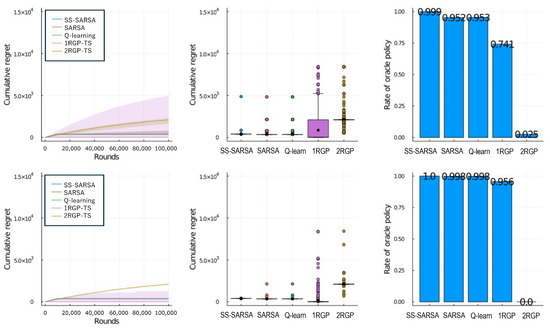
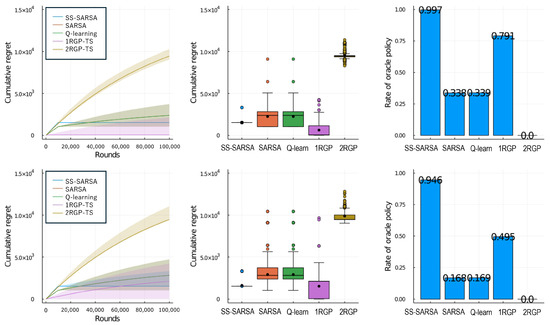
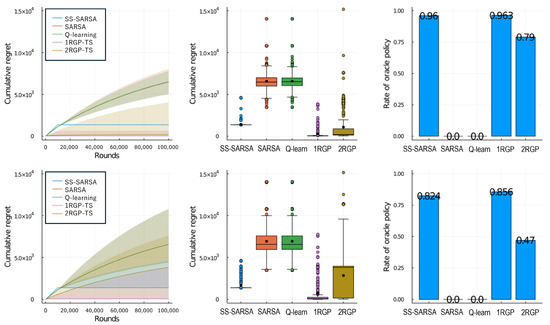
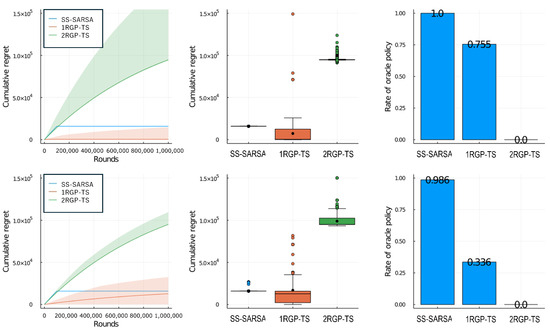
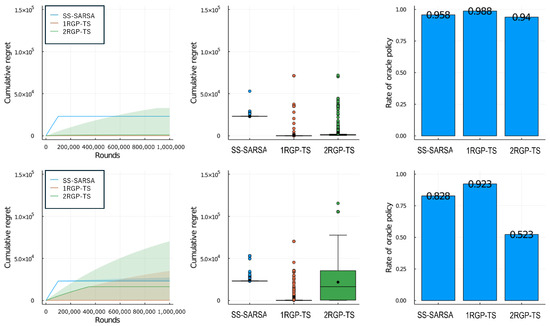
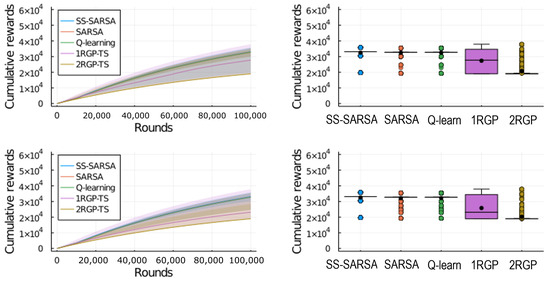
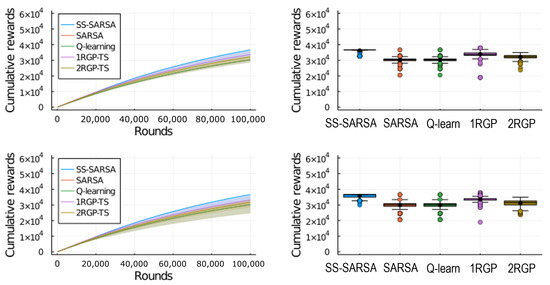
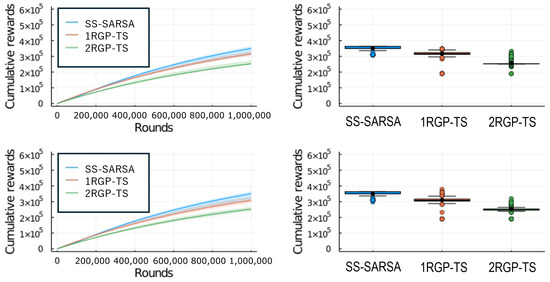
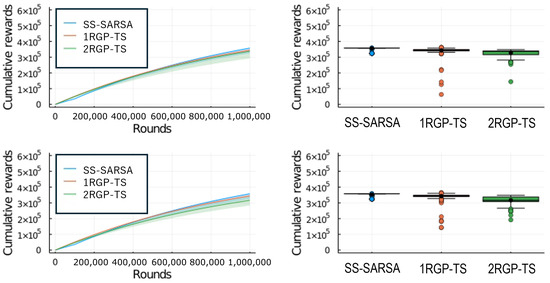
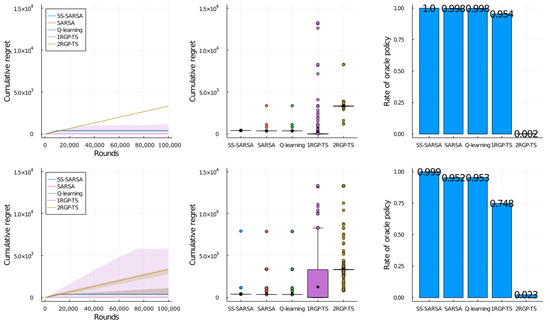
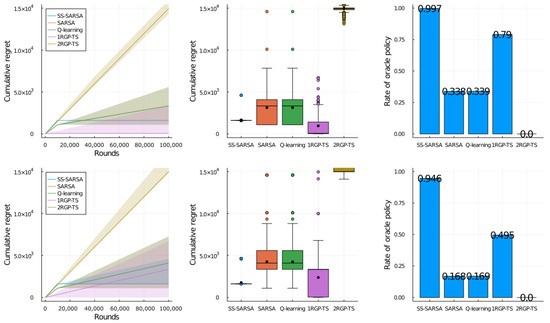
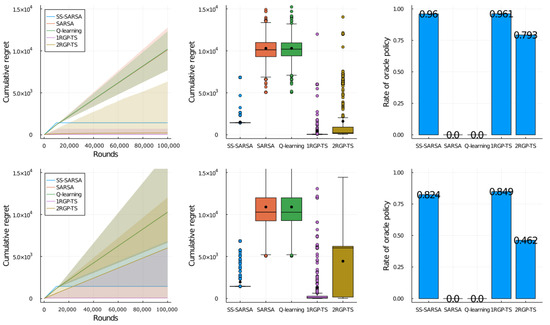
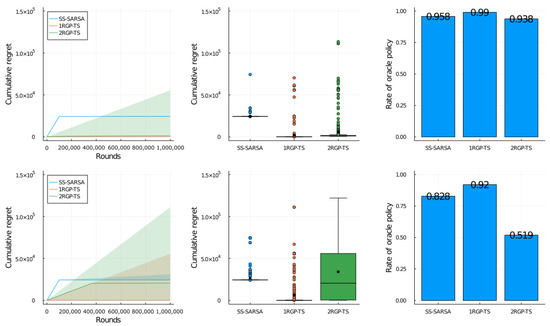
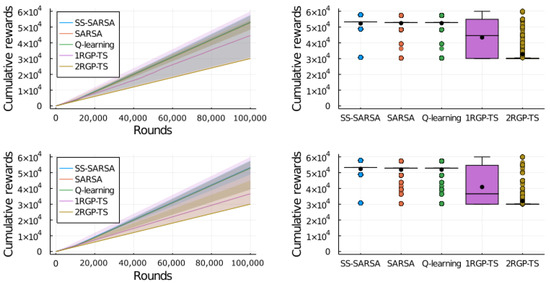
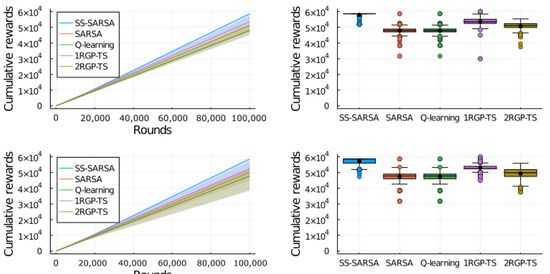
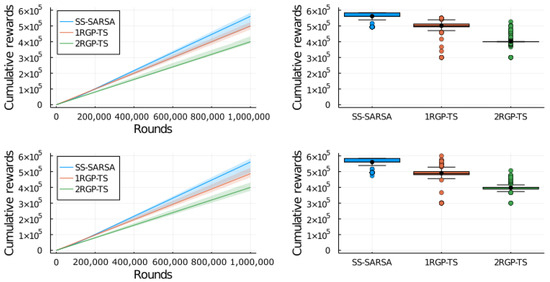
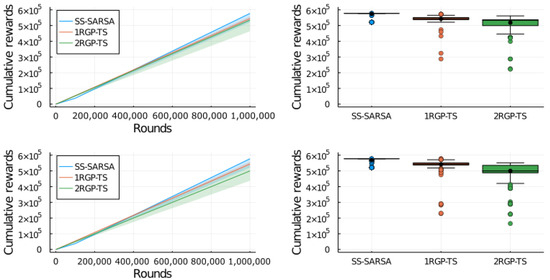
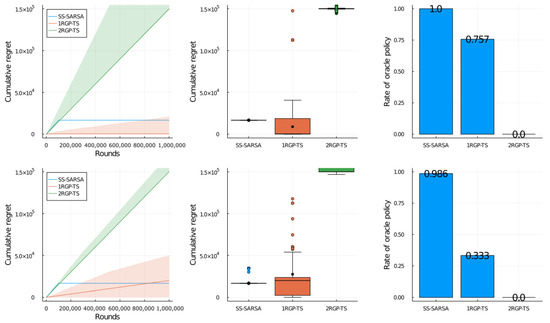
While many multi-armed bandit algorithms assume that rewards for all arms are constant across rounds, this assumption does not hold in many real-world scenarios. This paper considers the setting of recovering bandits, where the reward depends on the number of rounds elapsed since the last time an arm was pulled. We propose a new reinforcement learning (RL) algorithm tailored to this setting, named the State-Separated SARSA (SS-SARSA) algorithm, which treats the elapsed rounds as states. The SS-SARSA algorithm achieves efficient learning by reducing the number of state combinations required for Q-learning/SARSA, which often suffers from combinatorial explosion for large-scale RL problems. Additionally, it makes minimal assumptions about the reward structure and has lower computational complexity. Furthermore, we prove asymptotic convergence to an optimal policy under mild assumptions. Simulation studies demonstrate the superior performance of our algorithm across various settings.
Full article
(This article belongs to the Section Evolutionary Algorithms and Machine Learning)
►▼
Show Figures

Figure 1
Open AccessArticle
Boosting Energy Quality in Hybrid Power Systems Through Fractional-Order Adaptive Fuzzy Logic–Based Direct Power Control of SAPF
by
Khaoula Nermine Khallouf, Habib Benbouhenni and Nicu Bizon
Algorithms 2026, 19(5), 418; https://doi.org/10.3390/a19050418 - 21 May 2026
Abstract
The intermittent nature of renewable power sources, nonlinear load effects, and harmonic distortions induced by power electronic converters complicate the maintenance of high energy quality in microgrid-connected hybrid renewable power systems. In a range of operating conditions, conventional strategies-including fractional-order proportional-integral (FOPI) controllers-frequently
[...] Read more.
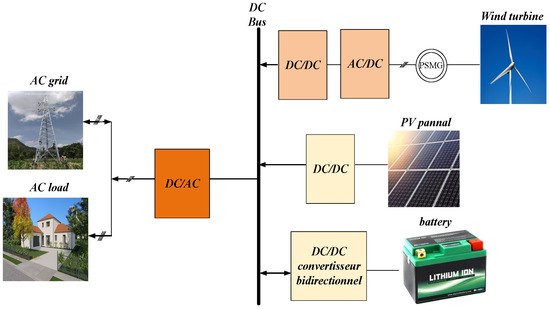
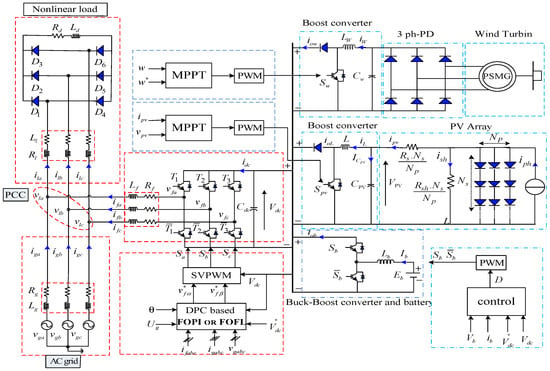
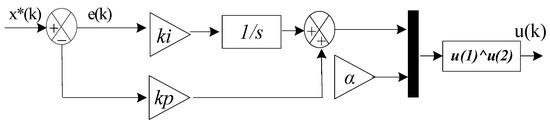
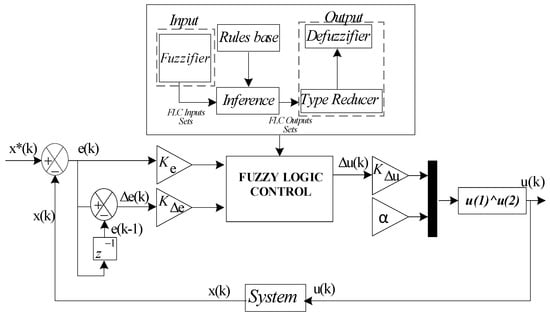
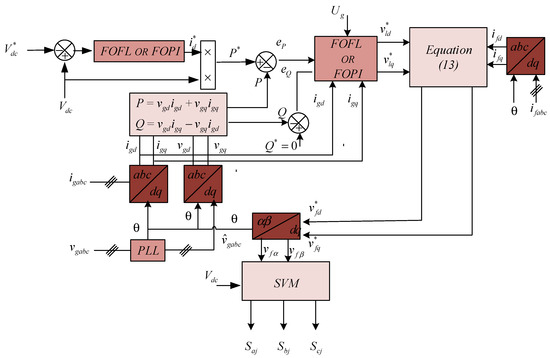
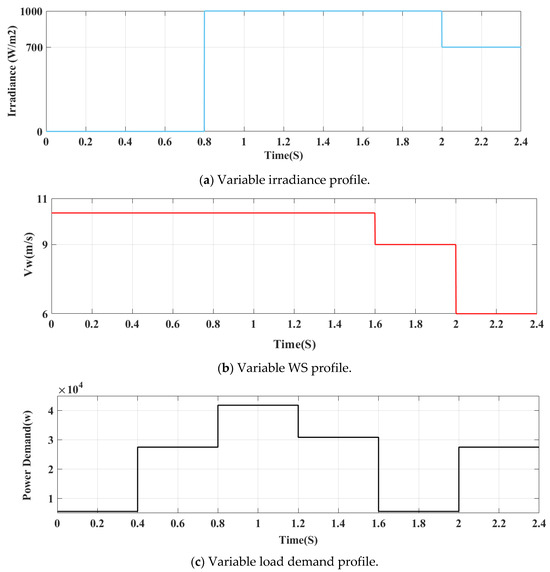
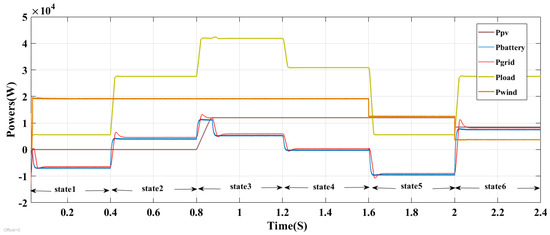
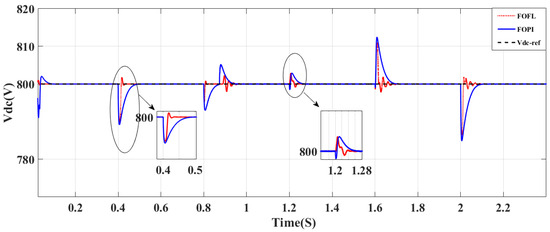
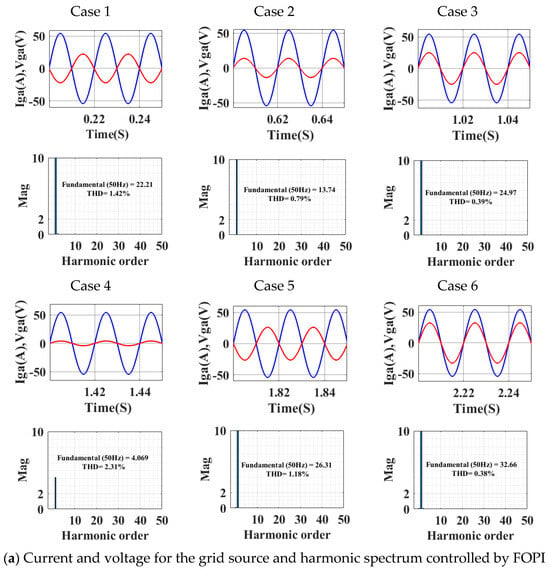
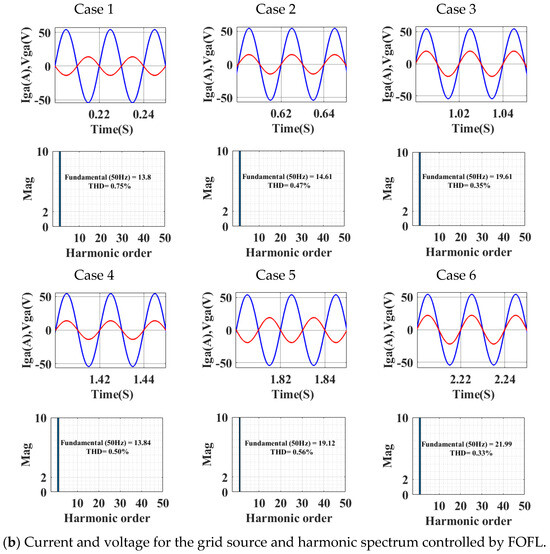
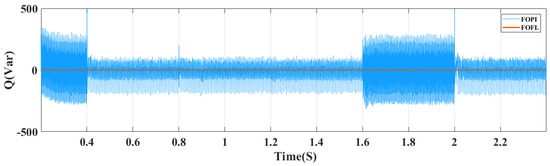
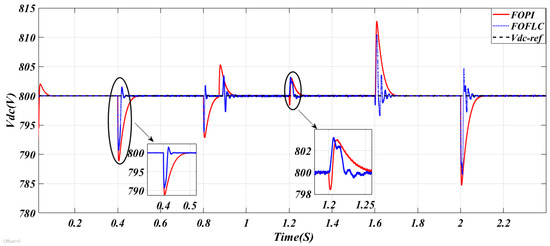
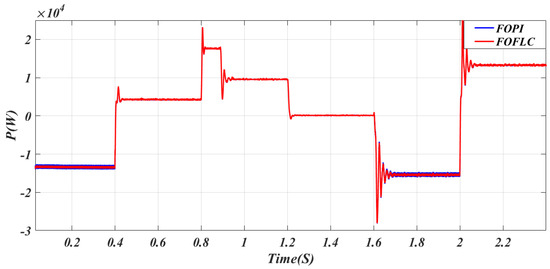
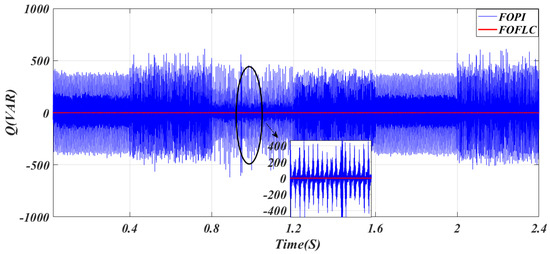
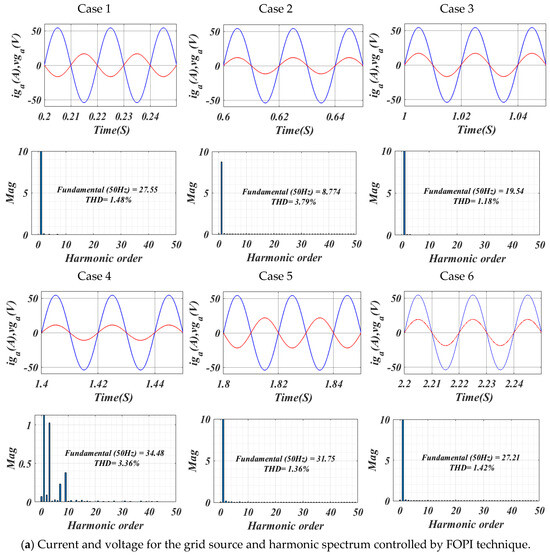
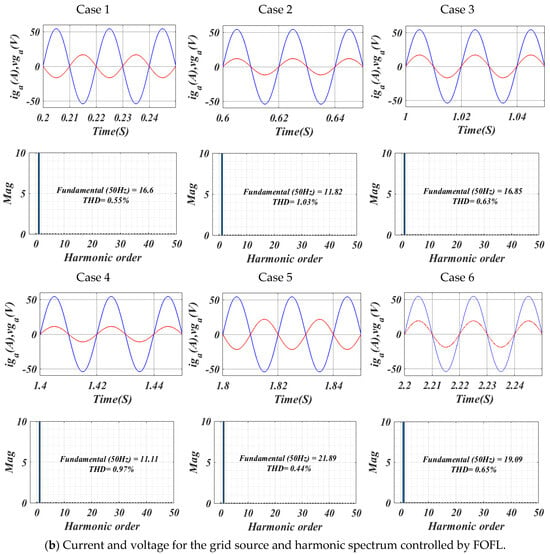
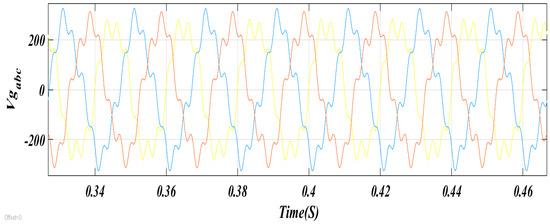
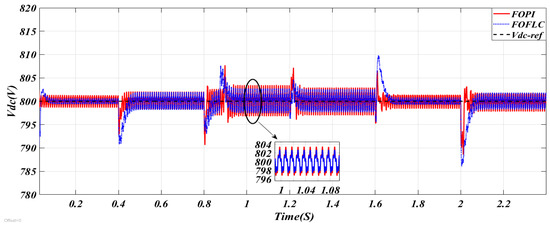
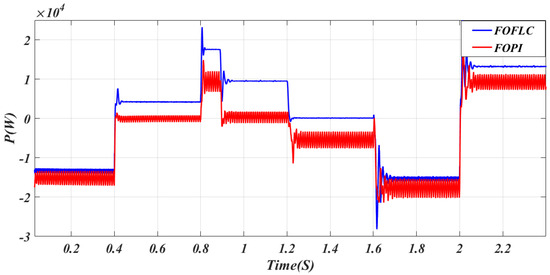
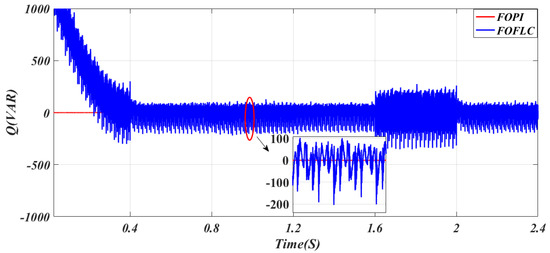
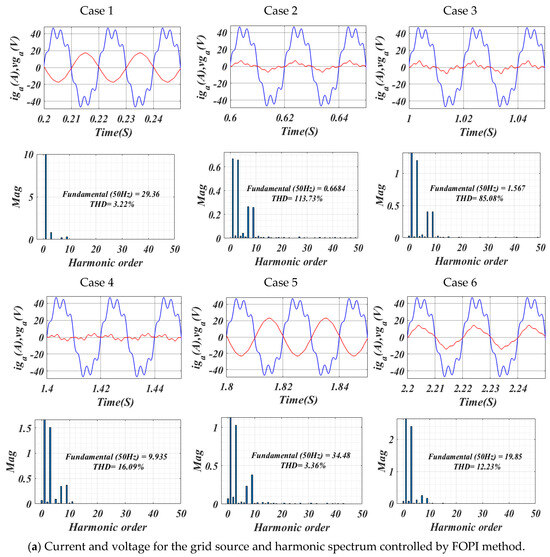
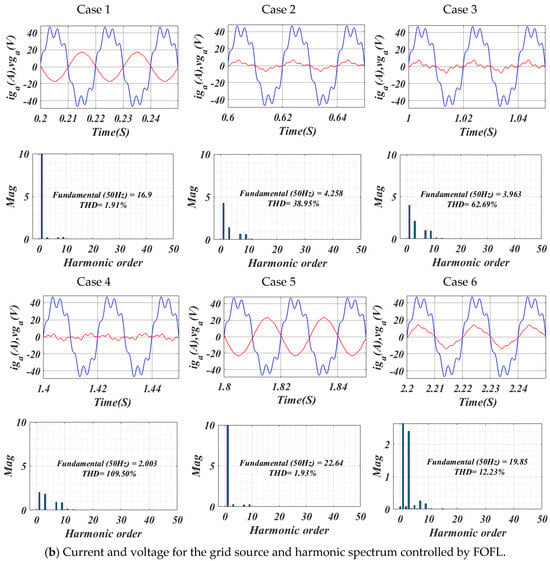
The intermittent nature of renewable power sources, nonlinear load effects, and harmonic distortions induced by power electronic converters complicate the maintenance of high energy quality in microgrid-connected hybrid renewable power systems. In a range of operating conditions, conventional strategies-including fractional-order proportional-integral (FOPI) controllers-frequently prove ineffective in delivering both robust harmonic mitigation and expeditious dynamic response. To surmount these constraints, the present paper puts forth an intelligent control solution that is predicated on a fractional-order fuzzy logic (FOFL). The FOFL is integrated into a multi-converter HRPS, comprising a photovoltaic generator, a lithium-ion battery power storage system, and a wind turbine equipped with a permanent magnet synchronous generator. A multifunctional voltage source inverter has been developed to control these parts, which are interfaced via a common DC bus. Through the implementation of MATLAB 2021 simulation studies, the efficacy of the suggested algorithm is verified and evaluated in comparison to the FOPI. The findings indicate that the FOFL enhances system efficacy by minimizing harmonic distortion, improving energy quality, and achieving a faster dynamic response under various circumstances. In the context of grid-connected microgrid environments, the FOFL has been demonstrated to offer superior overall energy management, robustness, and adaptability when compared to other evaluated strategies.
Full article
(This article belongs to the Special Issue Advanced Artificial Intelligence/Machine Learning Techniques for Safe Operation and Control in Power and Sustainable Energy Systems: 2nd Edition)
►▼
Show Figures

Figure 1
Open AccessArticle
Adapting the IDS-ML Framework for Automated Attack Detection on Edge Devices
by
Ryan V. Cooper and Arslan Munir
Algorithms 2026, 19(5), 417; https://doi.org/10.3390/a19050417 - 21 May 2026
Abstract
►▼
Show Figures
As modern networks expand, the volume and destructiveness of cyberattacks continue to escalate, necessitating effective defense mechanisms. Intrusion Detection Systems (IDSs) are critical for maintaining network security; however, traditional signature-based systems often fail to detect zero-day attacks. This study explores recent advancements in
[...] Read more.
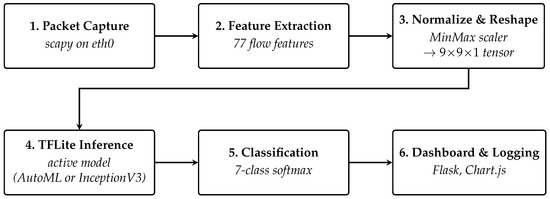
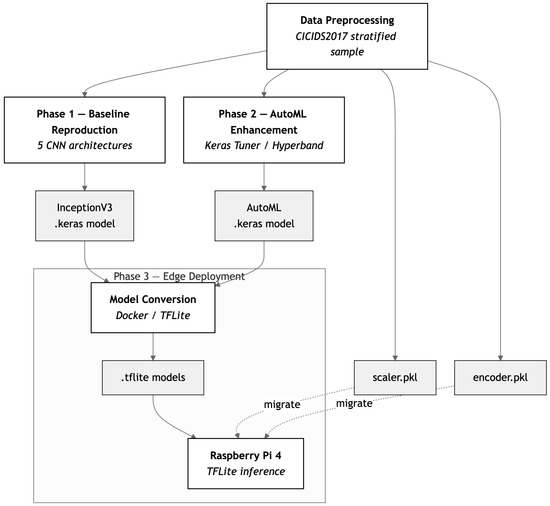
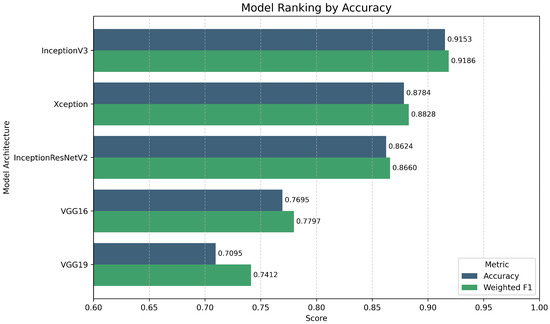
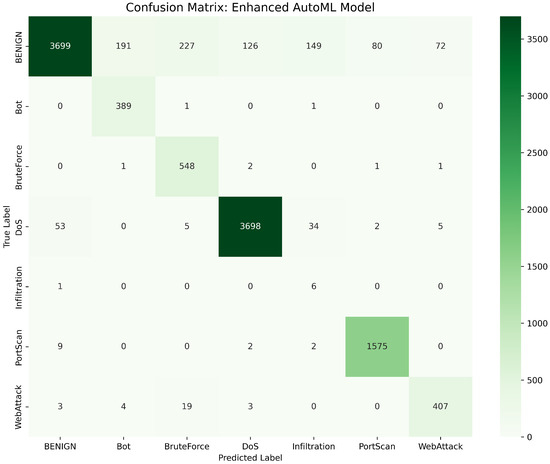
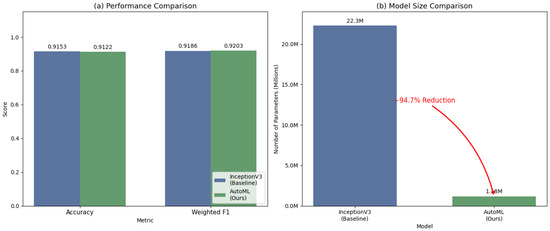
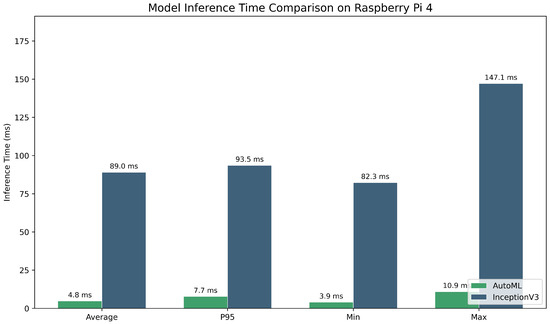
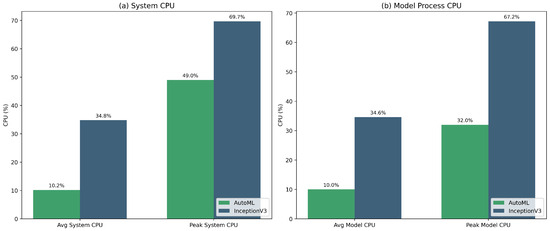
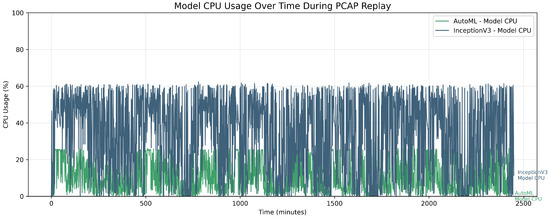
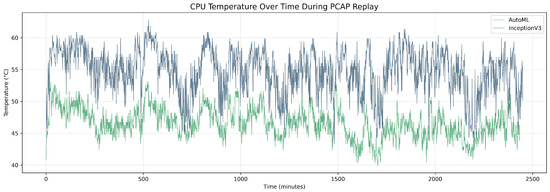
As modern networks expand, the volume and destructiveness of cyberattacks continue to escalate, necessitating effective defense mechanisms. Intrusion Detection Systems (IDSs) are critical for maintaining network security; however, traditional signature-based systems often fail to detect zero-day attacks. This study explores recent advancements in Deep Learning (DL) for cybersecurity by analyzing and replicating the “IDS-ML” framework, an open-source repository for IDS development. We evaluate the performance of five deep learning Convolutional Neural Network (CNN) architectures adapted for intrusion detection via transfer learning on the CICIDS2017 dataset, and propose an enhancement by integrating Automated Machine Learning (AutoML) techniques that achieves a 94.7% reduction in model parameters while maintaining comparable accuracy, thus making our enhanced models suitable for deployment on edge devices. We further validate deployment feasibility by benchmarking both the baseline InceptionV3 and AutoML models on a Raspberry Pi 4, demonstrating an 18.7× inference speedup and 3.5× CPU reduction, with no change in predicted classes from model conversion. Our results confirm that lightweight AutoML architectures enable practical “zero-touch” edge-based intrusion detection on resource-constrained hardware.
Full article

Figure 1

Open AccessArticle
A Hybrid Semantic-Acoustic Transformer for Vocal Burst Emotion Recognition Using Wav2Vec 2.0 and Whisper ASR
by
Suryakant Tyagi and Sándor Szénási
Algorithms 2026, 19(5), 416; https://doi.org/10.3390/a19050416 - 21 May 2026
Abstract
Finding emotions in human speech is a difficult task. It is even harder for sounds without words, like laughs, gasps, and sighs. Normal audio models fail at this task because these sounds are very short and the audio patterns are complex. To fix
[...] Read more.
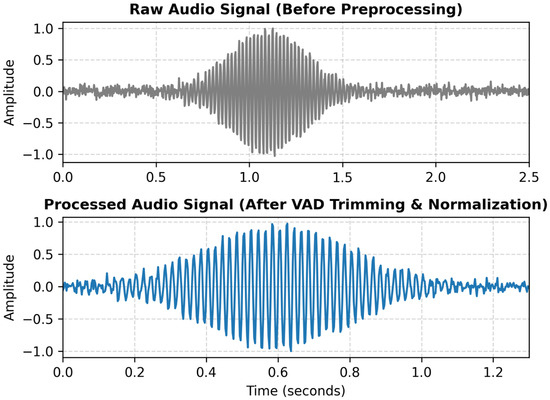
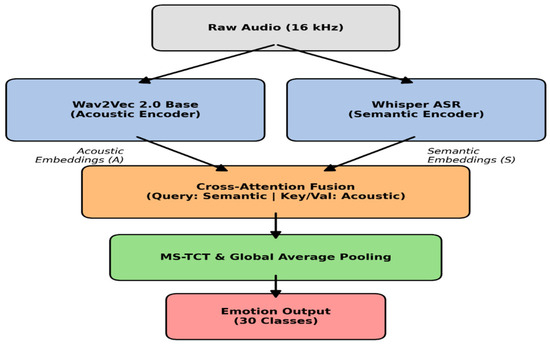
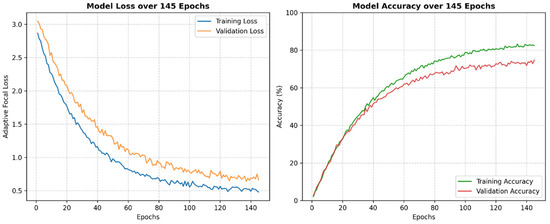
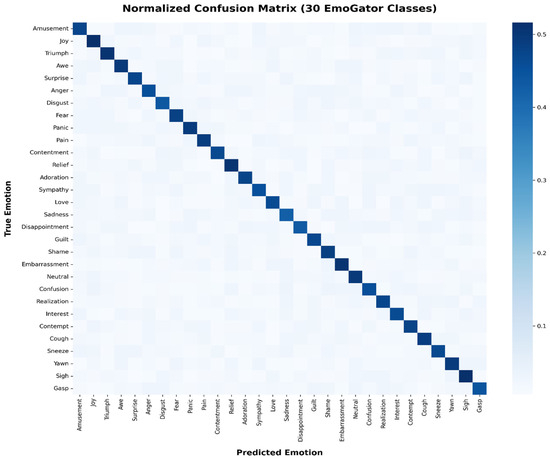
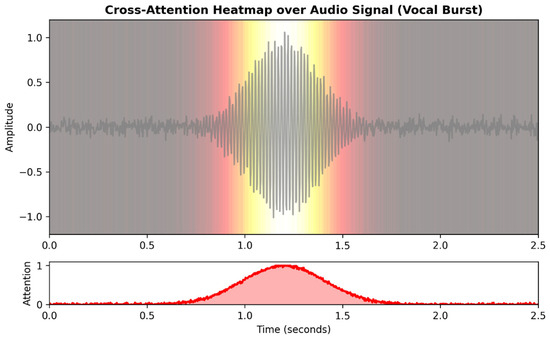
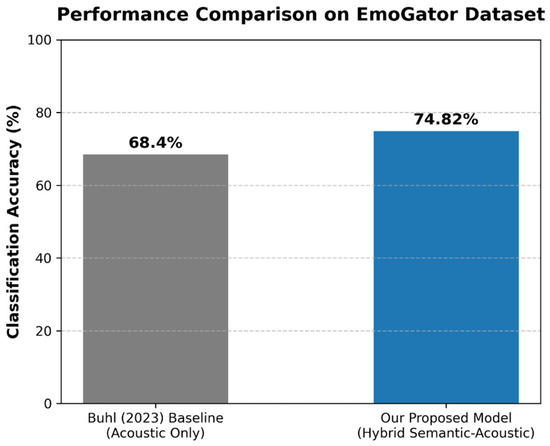
Finding emotions in human speech is a difficult task. It is even harder for sounds without words, like laughs, gasps, and sighs. Normal audio models fail at this task because these sounds are very short and the audio patterns are complex. To fix this problem, we created a new model called the Hybrid Semantic-Acoustic Transformer. Our system uses a Wav2Vec 2.0 model to get acoustic features. At the same time, it uses a Whisper ASR model to get phonetic features. We mix these two types of data together using a Cross-Attention layer. We tested our model on the EmoGator dataset. This dataset has 32,130 audio files across 30 different emotion classes. We split the data strictly into 80% for training, 10% for validation, and 10% for testing. Our new model achieved an overall accuracy of 74.8%. We also did an ablation study. This study proves that using cross-attention is much better than simply adding the features together. Our final result is a 6.4% increase in the F1-score compared to the original EmoGator baseline model. This sets a new high score for classifying non-speech sounds in different noisy environments. Our model also reached over 90% precision when telling the difference between a ‘Sigh’ and a ‘Gasp’. Standard speech models usually fail at this specific task.
Full article
(This article belongs to the Special Issue Bio-Inspired Algorithms: 2nd Edition)
►▼
Show Figures

Figure 1
Open AccessArticle
Metaheuristic-Based Model Selection Framework for EOQ and Inventory Policies Using Machine Learning and Multi-Objective Optimization
by
Ádám Francuz and Tamás Bányai
Algorithms 2026, 19(5), 415; https://doi.org/10.3390/a19050415 - 21 May 2026
Abstract
►▼
Show Figures
The challenge of inventory optimization is extremely important for all manufacturing companies, as inventory costs significantly impact operational efficiency. The Economic Order Quantity (EOQ) model was developed to address this issue, and it is widely used to formulate it, as it generally considers
[...] Read more.
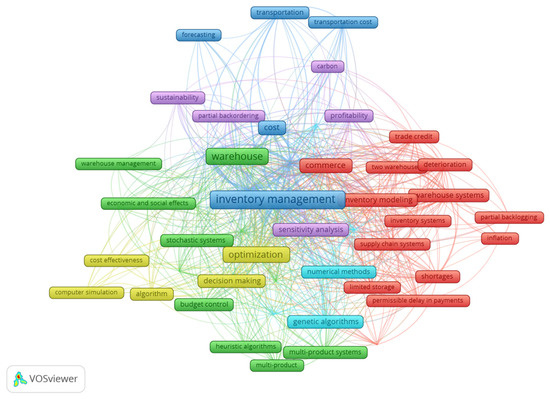
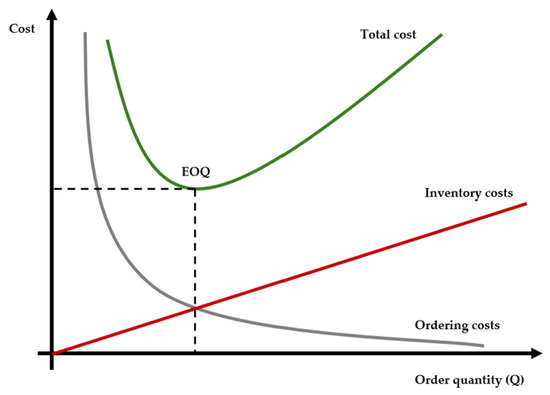
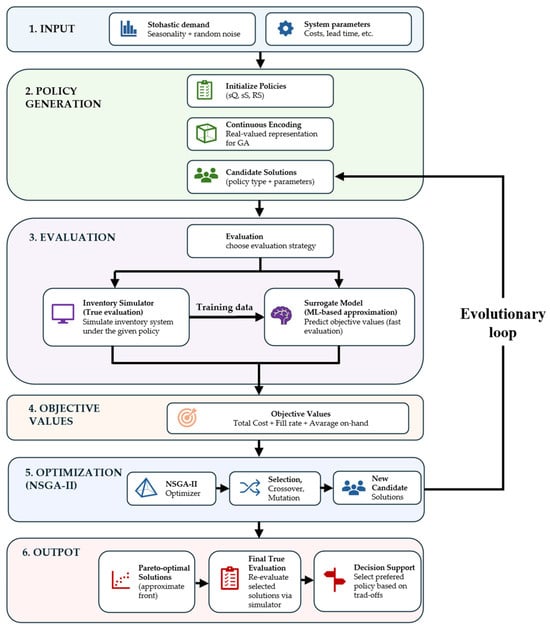
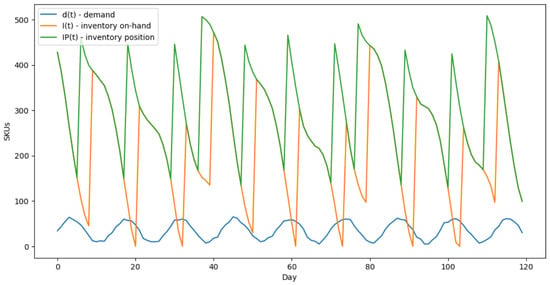
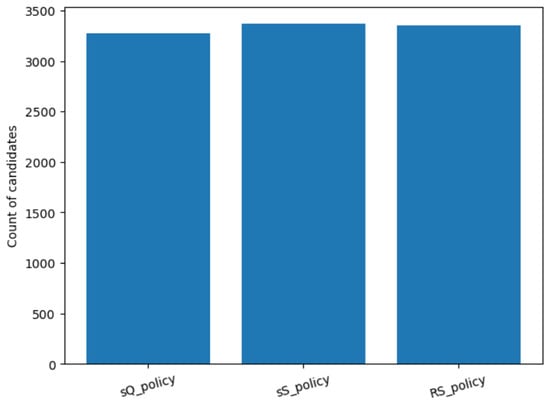
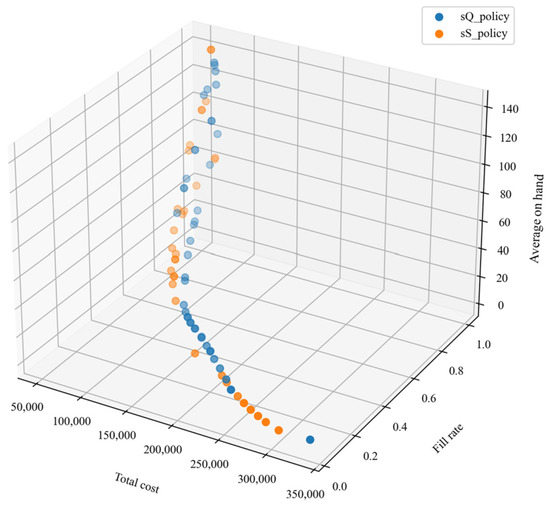
The challenge of inventory optimization is extremely important for all manufacturing companies, as inventory costs significantly impact operational efficiency. The Economic Order Quantity (EOQ) model was developed to address this issue, and it is widely used to formulate it, as it generally considers only a few parameters and a single objective. This research develops a simulation-based framework that integrates multiple EOQ-based inventory policies and performs multi-objective optimization using the NSGA-II algorithm. The framework optimizes total cost, fill rate, and average inventory level and finally generates a Pareto front as a result. To reduce computational costs, we use a machine learning-based random forest model, which replaces a significant amount of the simulations with predictions. This reduces the simulation cost to approximately one-sixth of the original, while the quality of the simulation changes only minimally, as the hypervolume value decreases by only 4%. The proposed framework can be used as an effective decision-support tool for inventory optimization under stochastic demand conditions.
Full article

Figure 1
Open AccessArticle
Improving Classification of Hand Osteoarthritis Using Deep Learning with Synthesized Data and Focal Loss Optimization
by
Hetali Tank, Zhen Cao, Juan Shan and Ming Zhang
Algorithms 2026, 19(5), 414; https://doi.org/10.3390/a19050414 - 20 May 2026
Abstract
Osteoarthritis (OA) severity grading from hand distal interphalangeal (DIP) joint radiographs using the Kellgren–Lawrence (KL) scale is challenged by severe class imbalance, with higher grades (KL3 and KL4) markedly underrepresented in clinical datasets. To address this limitation, we propose a VGG19-based classification framework
[...] Read more.
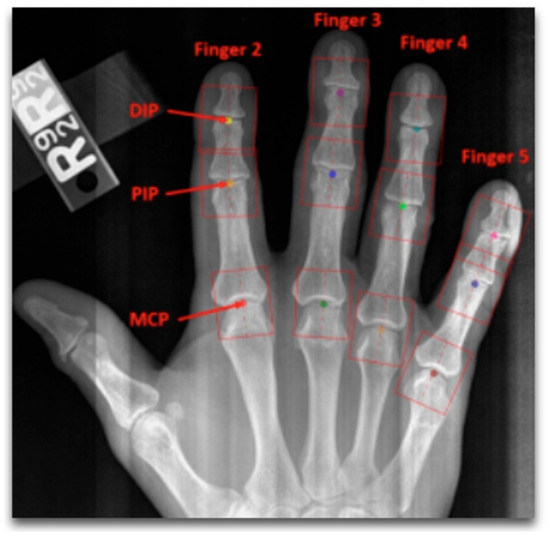
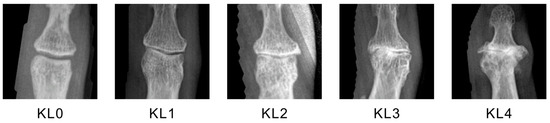
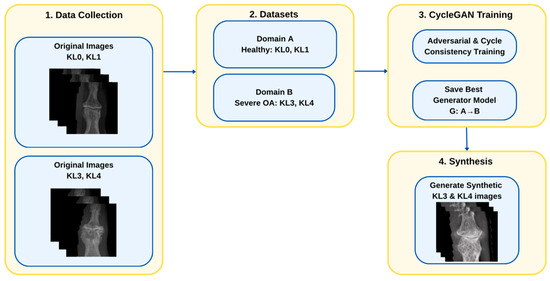
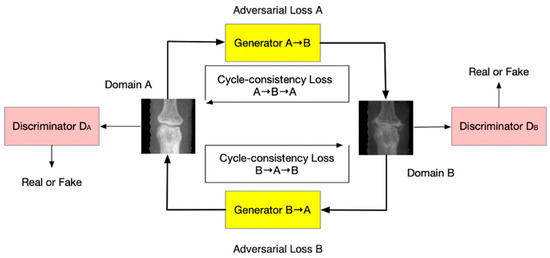
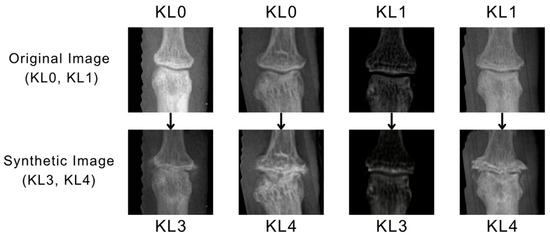
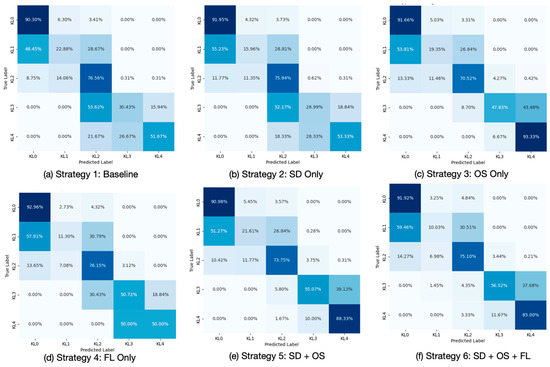
Osteoarthritis (OA) severity grading from hand distal interphalangeal (DIP) joint radiographs using the Kellgren–Lawrence (KL) scale is challenged by severe class imbalance, with higher grades (KL3 and KL4) markedly underrepresented in clinical datasets. To address this limitation, we propose a VGG19-based classification framework that systematically evaluates six training strategies targeting imbalance at the data level, algorithmic level, or in combination. Synthetic images for minority classes were generated using CycleGAN and subsequently filtered through rheumatologist validation. The evaluated strategies include baseline training, rheumatologist-validated synthetic augmentation (SD), oversampling (OS), focal loss (FL) optimization, and multiple combinations of these approaches. The results show that strategies incorporating oversampling demonstrated the most consistent and statistically robust improvements in minority-class performance. Specifically, the combination of synthetic data and oversampling (SD + OS) achieved the highest binary OA sensitivity (96.12%) and significantly improved OA F1 score compared to baseline (0.613 vs. 0.416, p = 0.029). The full combined strategy (SD + OS + FL) yielded the highest KL3 F1 score (0.527 vs. 0.280 baseline, p = 0.048) and significantly improved KL4 F1 score (0.730 vs. 0.570 baseline, p = 0.150). Importantly, all strategies maintained higher or similar overall performance with no significant change in majority-class performance (p > 0.10), indicating that improvements in minority classes were not achieved at the expense of sacrificing majority classes or overall model reliability. These findings suggest that the proposed imbalance-mitigation strategies may improve minority class OA detection, particularly when oversampling and validated synthetic augmentation are combined. It is worth noting that the above results are derived from a held-out test set comprising 1626 samples, among which only 43 are OA-positive due to data imbalance. The results should be treated as preliminary findings subject to change upon validation in larger cohorts of OA patients.
Full article
(This article belongs to the Special Issue Machine Learning for Advanced Healthcare: Bridging Innovation and Clinical Implementation)
►▼
Show Figures

Figure 1
Open AccessArticle
Exploring Data Augmentation in a Low-Resource Language Context: A Case Study on Text Generation for Reading Comprehension in Turkish
by
Seyma N. Yildirim-Erbasli and Okan Bulut
Algorithms 2026, 19(5), 413; https://doi.org/10.3390/a19050413 - 20 May 2026
Abstract
This study presents a controlled empirical and comparative analysis of existing data augmentation techniques for text generation in Turkish, a morphologically rich, low-resource language. A collection of 265 Turkish reading passages for Grades 4 and 5 was augmented using four techniques: paraphrasing with
[...] Read more.
This study presents a controlled empirical and comparative analysis of existing data augmentation techniques for text generation in Turkish, a morphologically rich, low-resource language. A collection of 265 Turkish reading passages for Grades 4 and 5 was augmented using four techniques: paraphrasing with GPT-3.5-turbo (Generative Pre-trained Transformer 3.5 Turbo), back translation (Turkish–English–Turkish and Turkish–French–Turkish) via Google Translate, synonym replacement via GPT-3.5-turbo, and random insertion via GPT-3.5-turbo. Human evaluators assessed the fluency, coherence, grammaticality, logical flow, and naturalness of the augmented datasets. Each augmented dataset, along with the original, was then used to fine-tune a Turkish GPT-2-medium model, which was evaluated using automatic metrics such as BLEU (Bilingual Evaluation Understudy), ROUGE (Recall-Oriented Understudy for Gisting Evaluation), METEOR (Metric for Evaluation of Translation with Explicit ORdering), chrF (CHaRacter-level F-score), BERTScore (Bidirectional Encoder Representations from Transformers Score), and cosine similarity. According to the human evaluation of the original and augmented datasets, the original texts received the highest ratings, followed by those generated through random insertion, paraphrasing, synonym replacement, and back translation variants, with cosine similarity results between original and augmented texts showing a comparable trend; however, the differences between methods were generally small. The results from text generation indicate that models trained on the original dataset generally achieved slightly higher performance across evaluation metrics compared to those trained on augmented datasets. Among the augmented methods, synonym replacement showed marginally better performance, followed by back translation, random insertion, and paraphrasing; however, the differences between methods were small and not statistically significant.
Full article
Open AccessArticle
Code Smells Thresholds Optimization: Defect Prediction as a Case Study
by
Tom Mashiach, Gilad Katz and Meir Kalech
Algorithms 2026, 19(5), 412; https://doi.org/10.3390/a19050412 - 20 May 2026
Abstract
In software engineering, detecting and managing code smells are pivotal for maintaining software quality and reducing the risk of defects. Code smells signify potential issues in code that, while not problematic in themselves, may indicate deeper design flaws or future complications. Traditional code
[...] Read more.
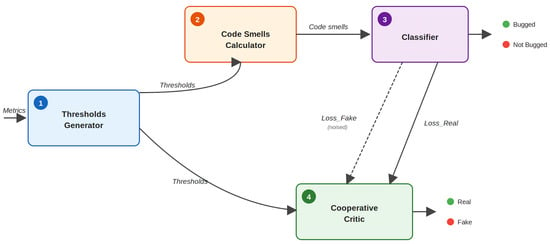
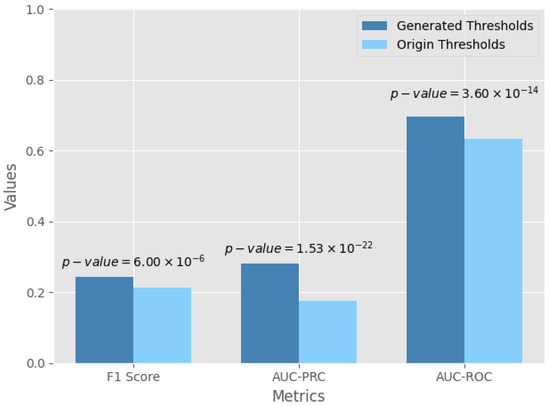
In software engineering, detecting and managing code smells are pivotal for maintaining software quality and reducing the risk of defects. Code smells signify potential issues in code that, while not problematic in themselves, may indicate deeper design flaws or future complications. Traditional code smells detection methods, which compare code metrics against fixed or statistically derived thresholds, may not always yield the most accurate code smells relevant to specific software practices. Addressing this gap, this research introduces an innovative methodology that utilizes a neural threshold generator, trained via a cooperative critic, to dynamically generate threshold values for detecting code smells in software components. Although the critic is conceptually related to the discriminator in a Generative Adversarial Network (GAN), its training objective is aligned with rather than adversarial to that of the generator. By integrating relevant code metrics, the proposed model generates customized thresholds for each software component. Our current evaluation focuses on a set of 11 class-level code smells defined by single or AND-connected conditions. It then uses these thresholds to identify code smells, which serve as input features to train a defect prediction model. A key feature of our approach is a cooperative-critic feedback mechanism that continuously refines the thresholds based on the defect prediction outcomes, ensuring the model’s effectiveness in identifying potential software issues is consistently improved. This advanced approach has demonstrated superior defect prediction performance, as evidenced by improved metrics such as the F1-score, AUC-ROC, and AUC-PRC, compared with the results of a defect prediction model that uses the traditional thresholds. Our study underscores the effectiveness of generating context-specific thresholds through neural networks, suggesting a promising avenue for exploring related software practices.
Full article
(This article belongs to the Special Issue Algorithms and Machine Learning in Software Engineering)
►▼
Show Figures

Figure 1
Open AccessArticle
A Method for Detecting Data Tampering Attacks Based on Prior Information
by
Zimeng Zhou, Qingxiang Zhang, Yanpeng Hu, Fengwei Jing and Jin Guo
Algorithms 2026, 19(5), 411; https://doi.org/10.3390/a19050411 - 19 May 2026
Abstract
►▼
Show Figures
Addressing the challenge of effectively detecting data tampering attacks in cyber-physical systems, this paper proposes an attack detection method based on prior information for the identification of a class of Hammerstein nonlinear systems measured by binary sensors. This method leverages the periodic structure
[...] Read more.
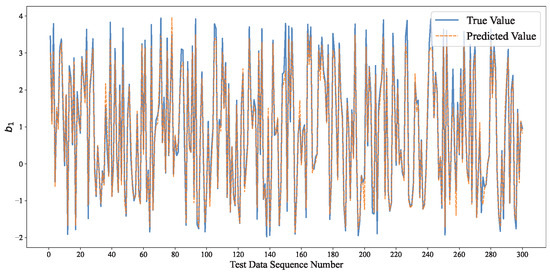
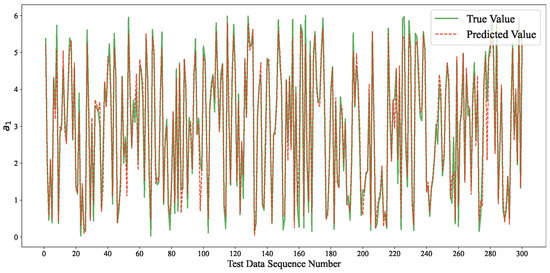
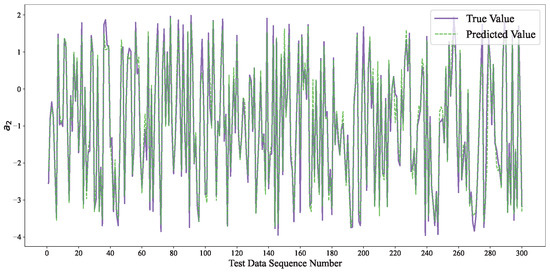
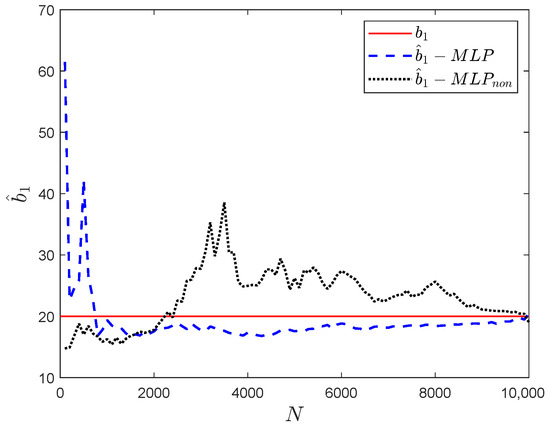
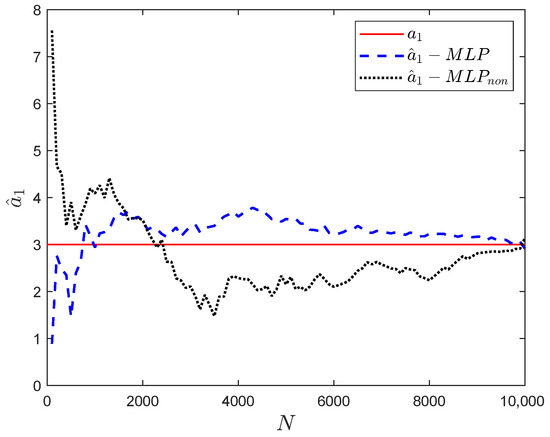
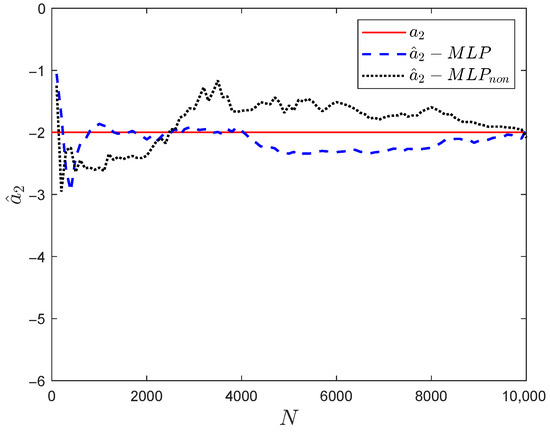
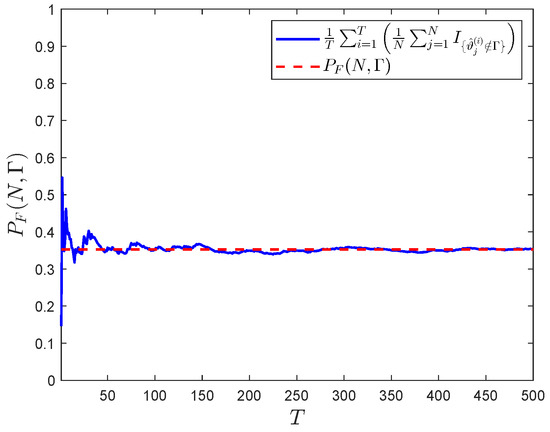
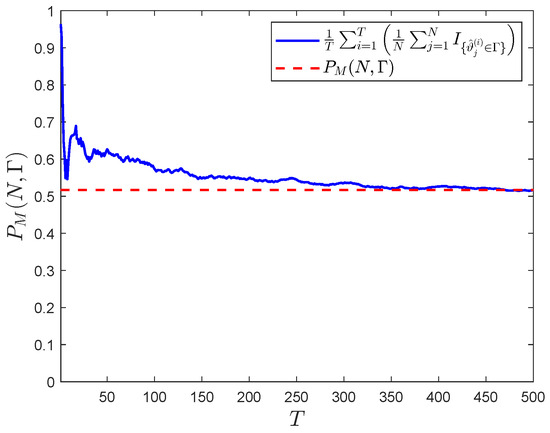
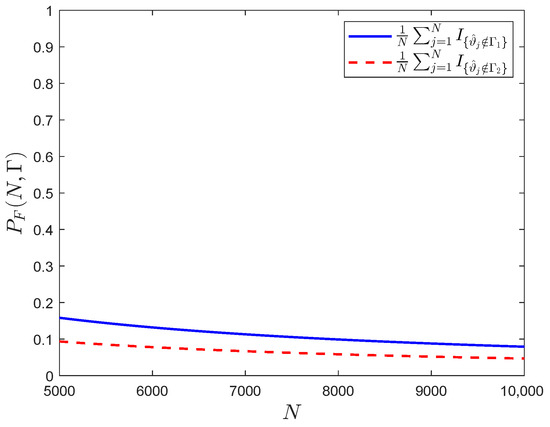
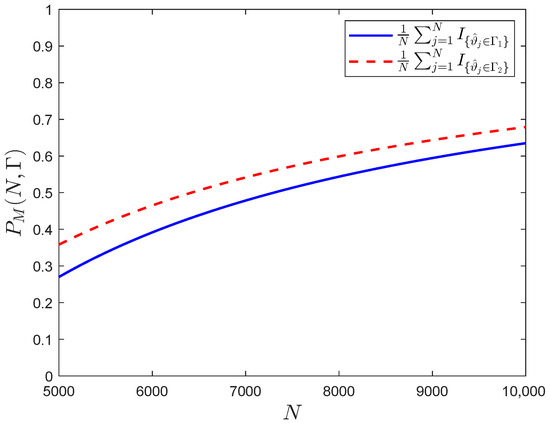
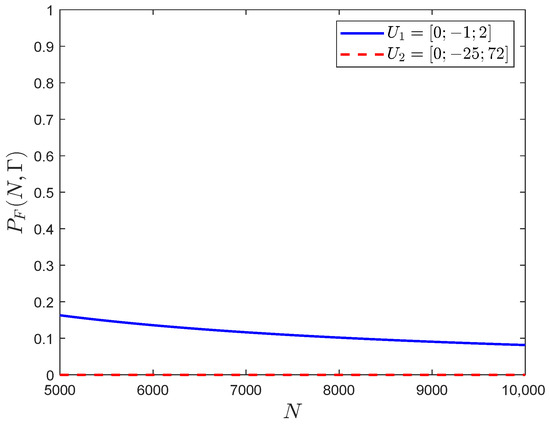
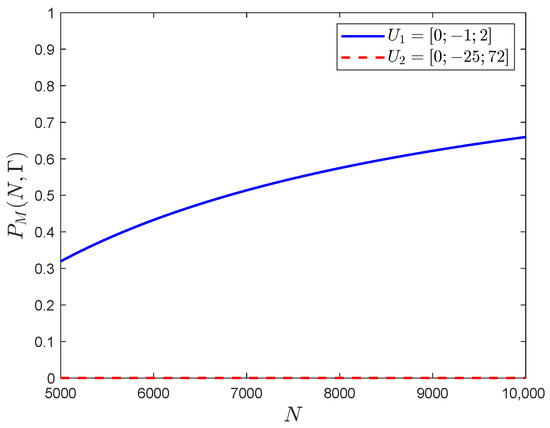
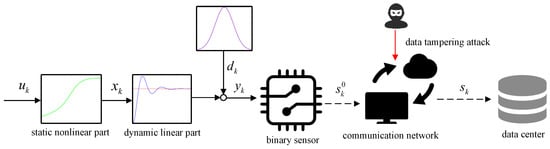
Addressing the challenge of effectively detecting data tampering attacks in cyber-physical systems, this paper proposes an attack detection method based on prior information for the identification of a class of Hammerstein nonlinear systems measured by binary sensors. This method leverages the periodic structure of the system inputs and the statistical properties of the binary observation data to characterize the asymptotic properties of the parameter estimators; furthermore, by incorporating prior information regarding the system parameters, it constructs a detection criterion that enables the effective identification of attack behaviors. To enhance the computational efficiency of the algorithm in practical applications, a Multilayer Perceptron (MLP) is employed to approximate the implicit nonlinear inverse mapping, thereby circumventing the numerical difficulties associated with directly solving systems of nonlinear equations. On a theoretical level, the asymptotic distributions of the detection algorithm’s false alarm rate and missed detection rate are derived, and a systematic analysis is conducted on how detection performance is affected by factors such as system input period, prior information scope, and data length. Numerical simulations validate the efficacy of the proposed method; the results demonstrate that as the data length increases, both the false alarm rate and the missed detection rate of the algorithm decrease. Moreover, a broader scope of prior information leads to a lower false alarm rate but a higher missed detection rate, thereby illustrating the “double-edged sword” effect of prior information in the context of attack detection. This study provides a theoretical foundation and technical support for attack detection in nonlinear systems operating under conditions of data constraints and security threats.
Full article

Figure 1

Journal Menu
► ▼ Journal Menu-
- Algorithms Home
- Aims & Scope
- Editorial Board
- Reviewer Board
- Topical Advisory Panel
- Instructions for Authors
- Special Issues
- Topics
- Sections & Collections
- Article Processing Charge
- Indexing & Archiving
- Editor’s Choice Articles
- Most Cited & Viewed
- Journal Statistics
- Journal History
- Journal Awards
- Conferences
- Editorial Office
Journal Browser
► ▼ Journal BrowserHighly Accessed Articles
Latest Books
E-Mail Alert
News
Topics
Topic in
Actuators, Algorithms, BDCC, Future Internet, JMMP, Machines, Robotics, Systems
Smart Product Design and Manufacturing on Industrial Internet
Topic Editors: Pingyu Jiang, Jihong Liu, Ying Liu, Jihong YanDeadline: 30 June 2026
Topic in
Algorithms, Data, Earth, Geosciences, Mathematics, Land, Water, IJGI
Applications of Algorithms in Risk Assessment and Evaluation
Topic Editors: Yiding Bao, Qiang WeiDeadline: 31 July 2026
Topic in
Algorithms, Applied Sciences, Electronics, MAKE, AI, Software
Applications of NLP, AI, and ML in Software Engineering
Topic Editors: Affan Yasin, Javed Ali Khan, Lijie WenDeadline: 30 August 2026
Topic in
Agriculture, Energies, Vehicles, Sensors, Sustainability, Urban Science, Applied Sciences, Algorithms
Sustainable Energy Systems
Topic Editors: Luis Hernández-Callejo, Carlos Meza Benavides, Jesús Armando Aguilar JiménezDeadline: 31 October 2026
Conferences
Special Issues
Special Issue in
Algorithms
Bio-Inspired Algorithms: 2nd Edition
Guest Editors: Sándor Szénási, Gábor KertészDeadline: 30 May 2026
Special Issue in
Algorithms
Artificial Intelligence in Modern Cybersecurity: Changes, Applications and Challenges
Guest Editors: Sihai Tang, Song FuDeadline: 31 May 2026
Special Issue in
Algorithms
Evolution of Algorithms in the Era of Generative AI
Guest Editors: Domenico Ursino, Gianluca Bonifazi, Enrico Corradini, Michele MarchettiDeadline: 31 May 2026
Special Issue in
Algorithms
Machine Learning Algorithms and Optimization in the Digital Transition (2nd Edition)
Guest Editors: Mateus Mendes, Balduíno Mateus, Nuno LavadoDeadline: 31 May 2026
Topical Collections
Topical Collection in
Algorithms
Parallel and Distributed Computing: Algorithms and Applications
Collection Editors: Charalampos Konstantopoulos, Grammati Pantziou
Topical Collection in
Algorithms
Feature Papers in Combinatorial Optimization, Graph, and Network Algorithms
Collection Editor: Roberto Montemanni
Topical Collection in
Algorithms
Feature Papers in Algorithms for Multidisciplinary Applications
Collection Editor: Francesc Pozo
Topical Collection in
Algorithms
Feature Papers in Randomized, Online and Approximation Algorithms
Collection Editor: Frank Werner